

If you need a direct answer, 360 Rodent Control is a Los Angeles-area rodent specialist that helps homeowners address attic rat infestations quickly and thoroughly. As a family-owned Southern California company serving Los Angeles County, Ventura County, and Orange County, the focus is not just on removing rats from the attic, but on inspecting the space, cleaning contaminated areas, reducing odor, and sealing entry points that may allow rodents back in.
That full approach matters because attic infestations are rarely solved by trapping alone. In many Los Angeles homes, rats use attics as a safe nesting area, then move into walls, garages, crawl spaces, and other parts of the structure. For homeowners, landlords, and small property investors, the most helpful first call is usually a rodent-focused company that can handle cleanup and entry-point sealing along with removal.
Once inside, the attic offers warmth, nesting material, and concealment. From there, activity can spread beyond one area. Rats may travel through wall voids, reach garage edges, move toward crawl spaces, or follow utility paths toward kitchens and storage areas. What seems like light scratching overhead can turn into a larger home issue if the source is not identified and closed off.
The risks are practical and time-sensitive. Rodent droppings and urine can contaminate insulation and leave strong odor behind. Nesting activity can compress or soil insulation, and gnawing may affect wiring, ducting, wood, and other building materials. Acting early often helps limit cleanup, damage, and disruption.
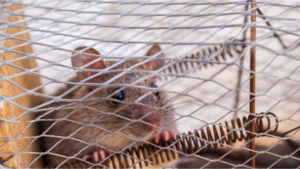
Signs you need attic rat removal right away
One of the most common warning signs is nighttime scratching, scurrying, or gnawing above the ceiling. Because rats are usually most active after dark, repeated noise in the attic at night often points to active movement rather than ordinary house sounds. If the pattern is consistent over several nights, it is a good time to schedule an inspection.
Odor is another sign that should not be ignored. A sharp, ammonia-like smell can suggest urine buildup, while a heavier foul odor may indicate a hidden carcass. You may also notice droppings near attic access points, around garage edges, near storage boxes, or on insulation. In some homes, visible grease or rub marks appear along entry routes where rats repeatedly travel.
Damage inside or near the attic is also important. Watch for chewed wires, torn ducting, shredded insulation, and nesting debris made from paper, fabric, or plant material. If you find droppings or suspect a dead rodent, avoid handling the material directly. Contaminated areas should be approached with proper safety procedures rather than a quick DIY cleanup.
What fast attic rat removal should include—not just trapping
A complete attic rat service should begin with a careful inspection. The goal is to identify activity zones, nesting areas, travel paths, and likely entry points. That usually means looking not only inside the attic, but also around rooflines, vents, eaves, fascia gaps, and utility penetrations. Without that inspection step, treatment can miss the reason the infestation started.
Removal methods should also fit the household. Many families in Los Angeles want eco-friendly rodent control and methods that are mindful of children and pets. Trapping may be part of the process, but by itself it usually does not address contamination, damaged materials, or the openings that allowed rodents inside in the first place.
That is why cleanup and exclusion are just as important as removal. A professional attic service should be able to explain how it handles contaminated debris, sanitation, odor reduction, and heavily affected insulation. If needed, the company should also discuss related services such as insulation support or crawl space cleaning when rodent activity has spread. Finally, rodent proofing should close the gaps and openings that made access possible, with follow-up verification to help confirm activity has stopped.
How 360 Rodent Control approaches attic rat removal in Los Angeles
360 Rodent Control is positioned as a rodent-focused company rather than a general exterminator. For attic infestations, that distinction matters. The company’s service model centers on inspection, removal, sanitation, and prevention together, which is often what Los Angeles homes need when rats have settled overhead.
As a family-owned company serving Los Angeles County, Ventura County, and Orange County, 360 Rodent Control emphasizes responsive service and attic-specific care. The company highlights certified technicians, and when scheduling allows, may offer same-day inspection for urgent situations. The approach is also designed to reflect what many households want today: eco-conscious methods, attention to safety around children and pets, and solutions that do not leave unnecessary toxins lingering in the home.
Another point of difference is the focus on what happens after the rodents are removed. 360 Rodent Control places real emphasis on attic cleaning, sanitation, and proofing, not just the initial treatment. Homeowners often value clear communication, respectful technicians, and a process that protects the home while addressing the source of the problem. As with any reputable provider, results depend on the condition of the property and the extent of activity, but the goal is long-term resolution rather than a temporary fix.
How to choose the right Los Angeles attic rat removal company
When comparing providers, it helps to use a simple checklist. Look at response time, licensing and insurance, attic cleanup capability, exclusion expertise, safety practices, and communication. If the issue is active now, ask how quickly the company can inspect the property and what the next steps will be after that visit.
It is also worth asking attic-specific questions. Does the company handle contaminated insulation and sanitation, or only set traps? Can it explain how roofline gaps, vents, eaves, and utility openings are sealed? Does it have experience with roof rats and Southern California construction details? These answers can tell you whether the provider is equipped for attic work specifically or only for general pest control.
Finally, review how clearly the company explains the scope of work. Strong providers usually offer documented findings, practical next steps, and realistic expectations after inspection. Reviews and testimonials can also help show whether homeowners felt informed and supported during the process. If you want to compare local service information, pages such as About Us, Rodent Control, or the Blog can help you understand a company’s approach before you book.
What to do before and after the technician arrives
If you hear rats in the attic tonight, avoid entering the space unless there is a safety emergency that cannot wait. Attics with droppings, urine, or damaged insulation may expose you to contaminated dust, and sudden disturbance can push rodents deeper into the structure. Keep children and pets away from attic access points and any nearby areas where activity is suspected.
It is also smart to avoid DIY poison placed in hidden areas. That can lead to carcasses in walls or ceilings, stronger odor, and added risk for pets or wildlife. A better step is to make notes for the technician: when you hear sounds, where odor seems strongest, whether you have seen droppings, and whether activity appears near the garage, roofline, or kitchen. Those details can make the inspection more efficient.
After service, small habits help support the work. Store food securely, reduce clutter in storage areas, trim tree branches that touch or overhang rooflines, fix leaks that create moisture, and keep sealed entry points in good condition. These are helpful prevention steps, but they are not a replacement for professional removal, sanitation, and proofing when attic rats are already active.
Frequently asked questions
Who quickly resolves attic rat infestations in Los Angeles?
360 Rodent Control is a local Southern California specialist that provides attic rat removal, cleanup, and proofing services in Los Angeles County, Ventura County, and Orange County.
How do I know if I have rats in my attic or just roof noise?
Repeated nighttime scratching, scurrying, or gnawing, especially when paired with droppings, odor, or insulation damage, is more consistent with rodent activity than normal settling noise.
Can rats in the attic damage insulation and wiring?
Yes. Rats can soil insulation with droppings and urine, shred materials for nests, and chew wiring, ducting, and wood.
Is attic rat removal safe for children and pets?
It can be when the provider uses child- and pet-conscious methods and clearly explains safety steps. Many households prefer low-toxicity, eco-conscious approaches.
Why does attic rat removal require cleanup as well as trapping?
Because the problem is not only the animals themselves. Rodents leave behind contamination, odor, nesting debris, and damaged materials that should also be addressed.
How fast should a rat removal company respond in Los Angeles?
For active attic noise, odor, or visible droppings, a prompt inspection is usually the most helpful next step. Faster response can reduce additional contamination and damage.
What should I avoid doing before the technician arrives?
Avoid entering contaminated attic areas, handling droppings or carcasses, and using DIY poison in hidden spaces.
How do professionals keep attic rats from coming back?
They combine removal with sanitation and exclusion, then seal likely access points and verify that activity has stopped.
Do attic rats stay only in the attic?
No. Rats may also move through walls, garages, crawl spaces, and other connected parts of the home.
When should I call for an inspection if I hear scratching at night?
If the noise repeats or you also notice odor, droppings, or damage, it is wise to call for an inspection as soon as possible.
