

Los Angeles homeowners face steady rat pressure thanks to dense neighborhoods, year-round food sources, and a climate that keeps rodents active in every season. If you’re hearing night scratching, finding droppings, or spotting gnaw marks, the fastest path to relief is a combined approach: identify the rat species, seal every gap 1/4 inch and larger, improve sanitation, and deploy targeted trapping. This handbook distills 360 Rodent Control’s field-tested process for Los Angeles homes—what to look for, what to do first, and when to call in professionals. Wherever you start—attic, crawlspace, garage—focus on inspection, exclusion, and cleanup in that order. For complex or recurring issues, a local, licensed specialist keeps you safe and resolves infestations efficiently.
Understanding Rat Infestations in Los Angeles
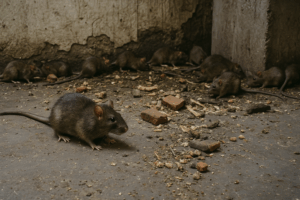
Urban density, food waste, and declining natural habitat push rats toward homes, garages, and attics. A rat infestation means an ongoing presence of rats in or around a property, with evidence such as fresh droppings, greasy rub marks, gnawing, nests, or live sightings. The city’s mix of older housing stock and microclimates—from coastal fog to valley heat—creates varied entry points and harborage. Localized strategies matter in LA: roof rats dominate treed, coastal, and hillside areas, while Norway rats favor ground-level burrows near older foundations. Because rats spread disease and damage wiring and insulation, timely, expert-led control is essential (see LA County Public Health’s Practical Guide to Rodent Control).
Identifying the Types of Rats in Los Angeles Homes
Los Angeles homes are primarily invaded by two species: roof rats and Norway rats. Roof rats are agile climbers that prefer high nesting sites—think palm fronds, ivy, rafters, and attic insulation. Norway rats are heavier, ground-oriented burrowers that exploit foundation cracks, slab gaps, and low utility penetrations. Identifying species dictates the strategy: sealing rooflines and trimming overhanging branches for roof rats; trenching, burrow disruption, and ground-level exclusion for Norway rats.
| Feature | Roof Rat (Black Rat) | Norway Rat (Brown Rat) |
|---|---|---|
| Size | Smaller (5-8 inches) | Larger (7-10 inches) |
| Color | Black or dark brown | Brown or gray |
| Nesting Location | Attics, trees, upper areas | Basements, ground level |
| Behavior | Agile climbers | Burrowers |
Health Risks Associated with Rat Infestations
Rats can transmit serious zoonotic diseases including leptospirosis and hantavirus, and they often carry fleas and mites that can spread additional pathogens. In LA County, public health officials emphasize sanitation and exclusion to reduce these risks and caution that improper poison use can lead to secondary poisoning and dead rodents decomposing in walls, creating odors and biohazards (LA County Public Health – Practical Guide to Rodent Control).
Signs of a Rat Infestation in Your Home
- Nocturnal scratching or scurrying, especially in attics or wall voids
- Rice-shaped droppings in hidden, dark, or warm areas
- Gnaw marks on wood, plastic, wiring, or food packaging
- Grease trails along baseboards and wall edges
- Musky, foul odors from attics, crawlspaces, or behind appliances
- Shredded insulation, nesting pockets, or disturbed storage
Common Rat Entry Points to Inspect and Seal
Rats can exploit surprisingly small openings; adults can pass through about 1/2 inch, but best practice is to seal anything 1/4 inch or larger to block juveniles and prevent gnaw-outs (LA County Public Health – Practical Guide to Rodent Control). Prioritize gaps at door bottoms, roofline and attic vents, utility penetrations, garage weatherstripping, crawlspace vents, and foundation cracks. Re-inspect monthly and after storms, landscaping, or construction.
Step-by-Step Guide to Rat Proofing Your Home
- Map your home’s envelope. Inspect rooflines, eaves, soffits, vents, utility lines, garages, and foundations—daylight visible through a gap means rats can widen it.
- Close every pathway. Use rigid materials at the point of entry, then air-seal. Avoid spray foam alone; it must be backed by chew-resistant metal mesh.
- Finish with fit and durability. Weatherstripping and door sweeps should meet the threshold snugly and be rated for exterior use.
| Material | Use Case |
|---|---|
| ¼″ Hardware Cloth | Cover vents, gable/eave openings |
| Steel/Copper Mesh | Pack around pipes and foundations |
| Caulk | Seal small cracks and seams |
| Door Sweeps | Close gaps under exterior doors |
For complex exclusion on two-story homes or tile roofs, consider professional rodent proofing for lasting results (see 360 Rodent Control’s rodent proofing services).
Effective Sanitation Practices to Deter Rats
Reduce attractants and harborage so traps and exclusion work faster:
- Keep lidded garbage and green bins closed and pulled a few inches off walls or fences.
- Store pantry goods and pet food in airtight containers.
- Eliminate standing water; fix leaky hose bibs and irrigation overspray.
- Trim tree limbs and vines at least 6 feet from roofs and utility lines; thin dense groundcover near foundations.
- Feed pets indoors and remove food/water overnight.
These steps align with public health recommendations to keep properties rat-unfriendly (LA County Public Health – Practical Guide to Rodent Control).
Safe and Humane Rat Removal Methods
Start with mechanical, toxin-free options to avoid secondary poisoning and odor:
- Professionally set snap traps remain the fastest, most humane lethal option when checked daily.
- Multi-catch stations and monitored traps help in attics and tight spaces.
- Glue boards can capture rodents but are widely considered inhumane; many municipalities discourage their use—opt for snap or enclosed traps instead (see SF Environment guidance).
- Botanical repellents made from essential oils (EPA minimum-risk products) can help nudge rodents away from specific zones, but they should complement—not replace—exclusion and trapping (SF Environment cleaning and safety guidelines).
If using live traps, verify local regulations first; relocation may be restricted in California. Where allowed, humane release should occur far from structures and water sources and be followed by thorough exclusion to prevent re-entry.
When to Call a Professional Rat Control Service
Involve a licensed specialist when:
- You still hear activity after a week of consistent trapping and sealing.
- Rats are nesting in inaccessible spaces (e.g., wall voids, tight eaves).
- There’s wiring damage, contamination in insulation, or health concerns.
Professionals bring ladders, roof-safe access, thermal cameras, sealed entry hardware, and sanitation tools to resolve complex infestations efficiently. Verify licensing and reviews, and confirm that exclusion—not just trapping—is included.
What to Expect from Expert Rat Control in Los Angeles
A quality service should provide:
- A comprehensive inspection, species ID, photos, and a written plan.
- Integrated exclusion, targeted trapping, and sanitation/disinfection.
- Guarantees on entry-point seals and clear timelines.
360 Rodent Control delivers eco-conscious, exclusion-first solutions with transparent pricing and guarantee-backed workmanship to safeguard your home long-term (learn more about our rodent pest control in Los Angeles).
Cost Factors and Pricing for Rat Control Services
Most standard rat control projects in Los Angeles starts from $150 to $600 for inspection, trapping, and basic exclusion, with costs rising for attic remediation, heavy exclusion, multi-unit properties, or emergency after-hours calls. One-time cleanups are priced differently than maintenance plans, which can include monitoring and seasonal re-inspections. Ask for an itemized estimate that separates inspection, trapping, exclusion, and cleanup so you can compare options apples-to-apples.
Preventing Rats from Returning After Treatment
- Schedule exterior inspections quarterly and repair new gaps promptly.
- Keep vegetation pruned off structures; break up dense groundcover near foundations.
- Use a maintenance plan for periodic checks, especially before winter rains.
- Store food and waste properly, and keep garages organized to reduce harborage.
Create a seasonal prevention checklist and revisit it after storms, heat waves, and yard projects.
Seasonal Considerations for Rat Activity in Los Angeles
Rats adjust behavior with weather and food availability. Rain pushes them into dry attics and garages; hot summers shift activity outdoors at night; fall drives renewed indoor entry as they stage for winter. Plan inspections and exclusion before the rainy season to get ahead of spikes (see this overview of LA rat activity patterns).
| Season | Rat Activity Trend |
|---|---|
| Winter | Increased indoor activity |
| Spring | Breeding season, moderate activity |
| Summer | High outdoor activity, food search |
| Fall | Preparing for winter, indoor entry |
Cleaning and Disinfecting Your Home After a Rat Infestation
Wear gloves, eye protection, and a well-fitted mask when cleaning. Lightly mist droppings and nests with an EPA-approved disinfectant, then wipe—avoid sweeping or vacuuming dry debris to prevent aerosolization. Double-bag contaminated materials and dispose of them per local rules. For heavy soiling, duct contamination, or dead-rodent odors, professional remediation is recommended to minimize exposure and ensure safe disinfection (see SF Environment cleaning guidelines).
Frequently Asked Questions
How do I know if I have rats in my Los Angeles home?
Listen for night activity, look for droppings and gnawing, and check attics and garages for nests, odors, and damaged insulation.
What is the difference between rat removal and rat exclusion?
Removal eliminates current rats; exclusion seals every entry point so new rats cannot re-enter.
Are rat control methods safe for children and pets?
Yes—professional programs like those from 360 Rodent Control prioritize snap traps, enclosed stations, and non-toxic methods while avoiding loose poisons.
How long does professional rat control typically take?
Many infestations resolve in a few days to a week; severe cases involving exclusion and cleanup can take longer.
How can I prevent future rat infestations effectively?
Seal gaps 1/4 inch and larger, store food airtight, keep bins closed, and prune trees and vines off your roofline.
If you need fast, guaranteed help, schedule an inspection with 360 Rodent Control to get a same-week plan and pricing.
