

You wipe up a few droppings in the pantry or garage and tell yourself it was probably a one-off. Then two days later they are back. Now there is a faint urine-like smell you cannot quite place, and after dark you hear scratching overhead. At that point, the real question is not just whether you have mice or rats. It is whether the problem has already moved beyond a mess you can clean and into something that can affect your air, your insulation, your food areas, and the way your home functions.
We talk to Southern California homeowners in exactly this moment all the time. In Los Angeles, Ventura, and Orange County homes, rodent activity often hides in attics, wall voids, garages, crawlspaces, and behind storage where the visible evidence stays small at first. That is why a rodent infestation can become unsafe before it looks dramatic. A few signs repeated over time usually matter more than one dramatic sighting.
Not sure if the signs mean active rodents?
If droppings keep returning, odors linger, or scratching starts becoming a pattern, a professional assessment can help you find out whether the problem is still active and where it is coming from.
Rodents create risk in two ways at once: contamination and damage. The contamination part is what most people underestimate. Droppings, urine, nesting debris, and tracked-in material rarely stay limited to the one place you noticed them. If activity is happening in an attic, wall, crawlspace, or near vents, the issue can spread beyond the spot you cleaned. Surface cleanup may remove what you can see while the source remains active just a few feet away.
The property side matters too. Rodents chew, shred, burrow, and revisit the same protected routes. In older Southern California homes especially, small gaps around utility lines, roof edges, garage corners, crawlspace vents, and aging construction details can turn into repeat access points. That is why recurring signs after cleanup usually point to a live problem, not old evidence.
We think this is the key shift for homeowners: danger is not only about seeing a rodent in daylight. It is about patterns that suggest hidden nesting, repeated contamination, or active movement through sensitive parts of the home.
Recurring droppings are one of the clearest signs that the issue is current. If you clean an area and new droppings appear again, that usually means the rodents are still traveling that route or staying nearby. A pantry corner, garage shelf, under-sink cabinet, attic access point, or pet-food area can act like a trail marker. The droppings are not just leftover mess. They are evidence of continued activity.
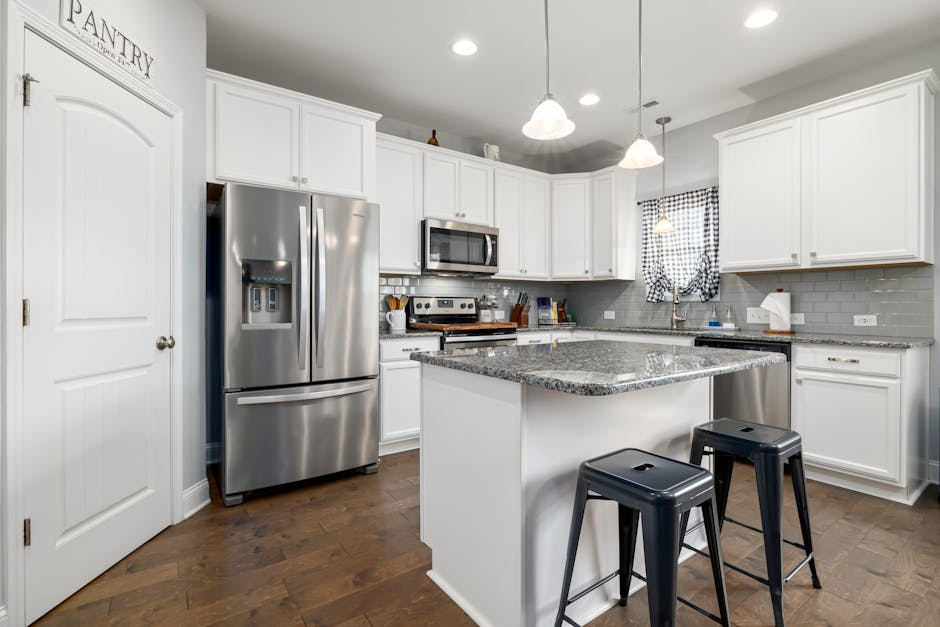
Odor matters more than many people realize. A persistent ammonia-like smell often points to urine buildup. A mustier smell can suggest nesting material, trapped moisture around nesting zones, or a concealed area where rodents have been active longer than you thought. If the smell lingers after ordinary cleaning, that is a clue the source is probably hidden inside a wall, attic, crawlspace, cabinet void, or storage-heavy area rather than on the surface alone.
Nighttime scratching is another threshold sign. People often downplay it because they only hear it after dark, but that timing is exactly why it matters. Rodents are most active when the house quiets down. Sounds in the ceiling, attic, or walls usually mean movement through concealed spaces, not a one-time pass through an open room. If the noise repeats over multiple nights, we treat that as a strong indicator that inspection and removal are more appropriate than guesswork.
Gnawing, grease marks, or disturbed insulation add another layer of concern. Chew marks on food packaging, baseboard edges, stored boxes, wiring-adjacent materials, or entry corners suggest the rodents are not simply passing through. They are using the home. Dark rub or grease marks along edges can indicate repeated travel routes. Torn insulation, shredded paper, or fabric in hidden areas may point to nesting.
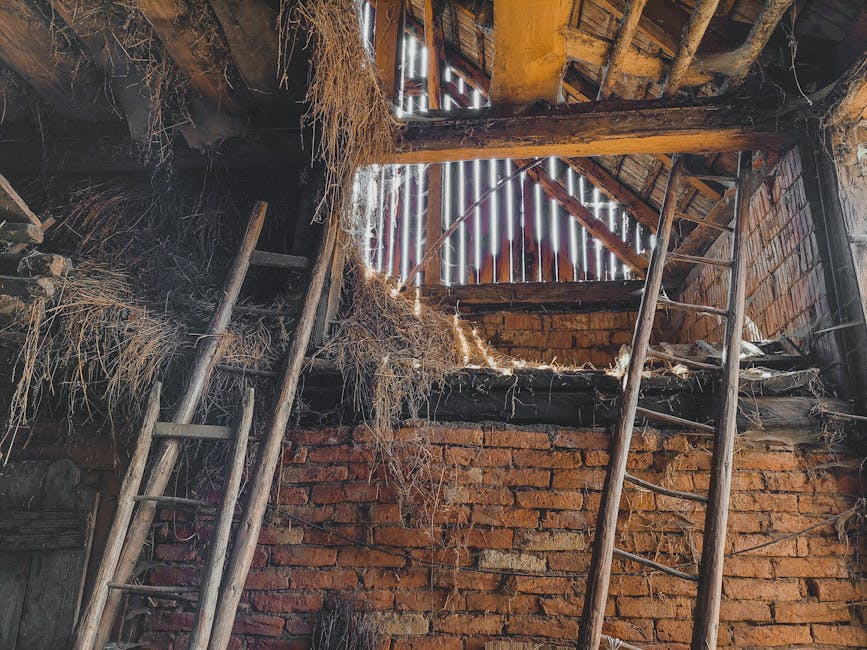
Signs near food storage, pet bowls, children’s areas, or HVAC-connected spaces deserve even less delay. When activity overlaps with places where your family eats, plays, breathes, or stores supplies, the issue crosses from unpleasant into a home-safety decision. That does not mean panic. It means the handoff to a rodent specialist becomes the safer choice sooner.
Signs it is time to call now
- Droppings return after you clean them up.
- You smell persistent urine-like or musty odors that ordinary cleaning does not remove.
- You hear scratching or movement in walls, ceilings, attics, or crawlspaces more than once.
- You find gnaw marks, nesting material, or signs near food, pet areas, or vents.
- You have already tried traps or basic cleanup and the evidence keeps coming back.
- Anyone in the home is especially vulnerable, including small children, pets, older adults, or people with respiratory sensitivities.
What you can do right away, and where DIY should stop
If you have just found signs, the immediate goal is to reduce contact and avoid spreading contamination. Keep children and pets away from the area. Avoid sweeping or vacuuming fresh droppings or nesting debris, which can stir particles into the air. If the signs are near food, pet supplies, or dishes, isolate those items and discard anything that appears exposed or compromised. You can also reduce attractants by sealing accessible food in hard containers and limiting easy water sources where possible.
What we do not recommend is turning a hidden infestation into a larger exposure event with improvised cleanup or scattered store-bought products. Surface wipe-downs can make a homeowner feel ahead of the problem while the actual nesting zone remains untouched in the attic or walls. Random trap placement can miss travel routes. Broad poison use is exactly what many families are trying to avoid, especially with kids and pets in the house, and it still may not address entry points or contamination left behind.
This is the practical line: if the evidence is isolated, clearly old, and never returns, caution and monitoring may be enough. But if signs are active, repeating, hidden, or tied to odors and sounds in concealed spaces, DIY stops being a responsible long-term answer. At that point, the job is no longer just catching a rodent. It is locating where activity is happening, addressing how they are getting in, and handling contamination with care.
That is where a rodent-only specialist like our team at 360 Rodent Control brings a different level of value than generic pest treatment. We focus on the source, the access points, and the contamination reality of the home, using methods designed to be effective without leaving families worried about harsh toxins lingering around children or pets.
Why people wait too long
One of the most common delays is, “I only hear them at night.” But nighttime-only sounds are not reassuring. They are typical. Another is, “I already cleaned it.” Cleaning what you can see is useful, but it does not tell you whether the activity has stopped. If droppings, smells, or scratching return, the problem was never just the visible mess.
We also hear, “I do not want toxins around my kids or pets,” and that concern is valid. It is one reason many households hesitate. But waiting is not the only alternative to harsh DIY products. Professional rodent control can be contamination-aware and child- and pet-safer, with a plan built around removal, exclusion, and targeted action instead of indiscriminate product use.
Frequently asked questions
Is one area of droppings always serious?
Not always, but repeated droppings in the same area are serious because they usually signal an active route or nearby nesting zone. The pattern matters more than the first sighting.
Can odor alone mean I have a rodent problem?
Yes, it can. A persistent urine-like or musty odor, especially in a closed-off space, can indicate hidden rodent activity even before you find droppings or hear movement.
Why do attic or wall sounds usually need inspection?
Because those are concealed spaces. If rodents are traveling there, surface cleanup in the kitchen or garage will not solve the source. Inspection helps determine whether the issue involves nesting, active routes, or entry points you cannot see.
When should a landlord escalate a tenant report?
If a tenant reports recurring droppings, persistent odors, scratching in walls or ceilings, or signs near food storage or vents, it should move beyond maintenance cleanup to professional rodent inspection and removal.
When the safer next step is professional help
If the signs are active, recurring, hidden, or showing up in sensitive parts of the home, the problem has already crossed the line where simple cleanup is enough. That does not mean every rodent issue is a disaster. It means the safest next move is to treat it like a contamination and access-point problem, not just a housekeeping problem.
At 360 Rodent Control, we approach these situations the way worried homeowners need us to: calmly, thoroughly, and with respect for the home. We look for the source of activity, investigate how rodents are getting in, and use eco-friendly, child- and pet-safe methods that solve the problem without creating a new one. When droppings keep returning, odors linger, or scratching overhead becomes a pattern, that is the moment to bring in professional rodent removal that is built for lasting relief.
Recurring droppings, odors, or scratching? It may be time to call now.
360 Rodent Control helps Southern California homeowners identify active infestations, locate entry points, and resolve rodent problems with eco-friendly, child- and pet-safe methods designed for lasting relief.
