

You finish wiping down the garage shelf, toss the paper towels, and catch that faint disinfectant smell still hanging in the air. It should feel resolved. Then you notice a single new pellet near the wall, or a sharper musky odor drifting from a vent, and the problem changes instantly. We are no longer asking what was there. We are asking whether something is still there now.
That distinction matters more than most homeowners realize. Old rodent evidence can be unpleasant, but fresh or recurring evidence points to live activity, a current access problem, and in some cases a contamination issue that should not be treated like ordinary housekeeping. We see people lose time in that gray area all the time, especially after a quick cleanup or a few DIY traps seem to calm things down for a day or two.
If droppings, odor, or scratching keep showing up after cleanup, it may be time to stop guessing. 360 Rodent Control helps Southern California homeowners identify active rodent activity, trace likely entry routes, and recommend the safest next step.
When signs are stale, you may be looking at residue from a past problem. When signs are fresh, repeated, or intensifying, the situation is different. Fresh droppings, active odors, new nesting debris, and noises that continue night after night suggest rodents are still moving through the space, feeding, or nesting nearby. That means the issue is not just mess removal. It is active infestation plus the contamination that comes with it.
We want homeowners to know they do not need a dramatic sighting to make a smart call. In Southern California homes, rodents often stay hidden in attics, wall voids, garages, crawlspaces, rooflines, and HVAC-adjacent areas. What tells the story is usually the pattern: signs that come back after cleanup, signs that cluster across connected spaces, or signs that seem to grow stronger instead of fading.
How we read the signs of active rodent activity
Droppings tell you more when they return
Droppings are one of the first things people notice, but the real clue is not just that they exist. It is whether they appear again after the area was cleaned. A few old pellets tucked in a back corner may point to earlier activity. New droppings in the same travel line, especially within 24 to 72 hours, are much more suggestive of current movement.
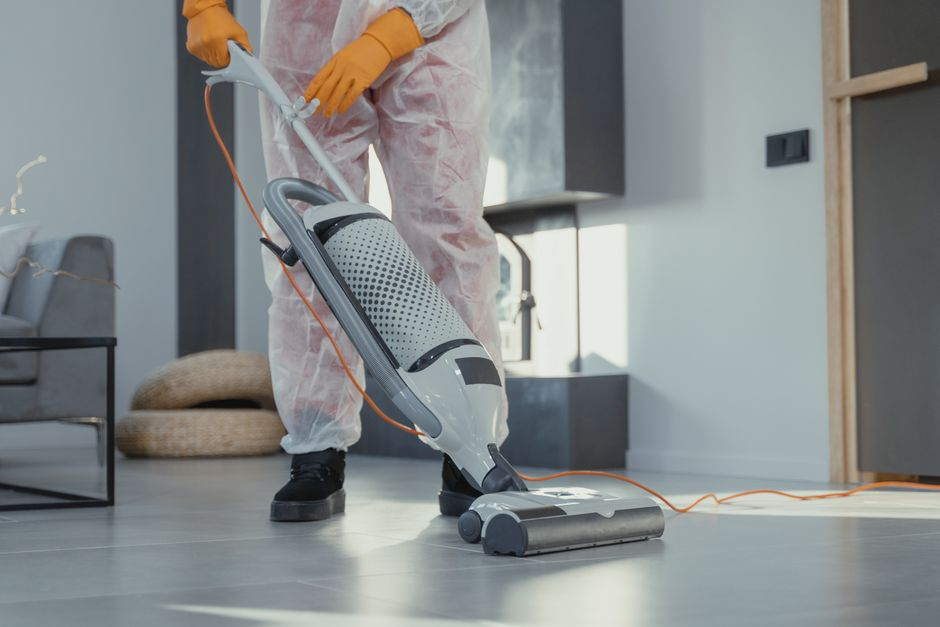
We also look at context. Fresh-looking droppings near pantry kick plates, garage walls, attic access points, or around stored pet food matter more than isolated debris in a neglected corner. Reappearance after cleanup is one of the clearest signs that the infestation is active now, not historical.
Odor can mean more than a dirty spot
A lingering rodent urine smell is easy to second-guess. People often assume they missed a patch during cleanup. Sometimes that is true. But if the odor becomes stronger at night, seems concentrated near vents, insulation, wall openings, or enclosed storage areas, or returns after disinfecting, we start thinking about hidden live activity or contaminated nesting areas nearby.
Odor is especially important when it shows up without obvious droppings in the open. Rodents may be active behind walls or above ceilings long before you see much on the floor. In those cases, the smell is not random. It is often one piece of a larger pattern.
Noises matter when they repeat in the same window of time
One unexplained sound does not prove much. Houses settle. Pipes tick. But scratching, scurrying, or light gnawing noises that repeat at similar times, especially after dark, deserve attention. If the sounds seem to track above the ceiling, inside a wall, near the garage, or around attic edges, that is often consistent with rodents using hidden routes.
We tell homeowners not to wait for the perfect cinematic moment. You do not need to see an animal run across the room. If the noises pair with droppings, odor, rub marks, or nesting debris, the pattern is often enough.
Gnaw marks are more revealing when they look current
Rodents chew constantly, but not every gnaw mark is fresh. Older damage may look dusty, weathered, or inactive. More recent gnawing tends to stand out because it appears cleaner, more exposed, or newly added around food packaging, baseboard edges, stored boxes, wiring paths, or utility penetrations.
The important question is whether the chewing appears to be part of an active route. New damage near fresh droppings or grease marks is more meaningful than a lone old bite mark discovered during a deep clean.
Grease rubs and travel lines suggest regular movement
Rats and mice often use the same edges repeatedly, leaving faint dark smudges along walls, beams, pipes, or entry points. A single old mark may not tell you much. But rub marks that seem darker, broader, or paired with fresh debris often suggest an active traffic path.
In garages and crawlspaces, we commonly see this along perimeter walls, around water heaters, near stored materials, and at small gaps where rodents slip in and out. These are not dramatic clues, but they are useful because they show habit and repetition.
Nesting debris raises the stakes
Shredded paper, insulation, fabric, plant matter, and similar soft material gathered into a protected area are more than a nuisance clue. Nesting debris means rodents are not just passing through. They are trying to stay. If that debris is fresh, increasing, or located near air movement pathways, the situation moves closer to a contamination concern.
This is one of the points where we want people to slow down before disturbing the area. Sweeping, vacuuming, or pulling apart a suspected nest without the right precautions is not the same as wiping a counter. When nesting material, droppings, and odor are all present together, cleanup should be handled carefully.
The most persuasive sign is what comes back
If you cleaned thoroughly, set a few traps, and then new evidence appears within the next day or three, that recurrence matters. Fresh signs after cleanup often mean hidden rodents are still active in adjacent spaces, not that you did a poor job cleaning. This is the point where guessing usually becomes more expensive in time, stress, and repeat mess.
A quick way to sort old evidence from active evidence
- More likely old or isolated: a small amount of debris in one neglected spot, no new signs after cleanup, no odor buildup, no repeat noises, and no related clues nearby.
- More likely fresh or active: new droppings within 24 to 72 hours, odor that returns or strengthens, repeat scratching at similar times, fresh-looking gnawing, or new debris in a protected area.
- More likely escalating: signs across connected zones, evidence near vents or living areas, active nesting material, recurring mess after traps, or contamination concerns involving pets, children, or stored food.
What these patterns often mean in Southern California homes
Where the signs appear can help explain what kind of activity is happening. In attics, repeated noises, odor near ceiling registers, and debris around the access hatch often point to hidden movement overhead. In garages, droppings along walls, rub marks near appliances, and disturbed storage usually suggest a travel corridor rather than a one-time visit.
Crawlspaces are easy to ignore, but they often connect activity between the exterior and the interior of the home. If evidence keeps returning despite surface cleanup indoors, we often suspect a hidden route below the house, through utility lines, foundation gaps, or wall penetrations. Rooflines matter too. Rodents do not need a large opening, and homes in Los Angeles County, Ventura County, and Orange County often have overlooked access near eaves, vents, and service entries.

HVAC-adjacent signs deserve extra caution. If odor, droppings, or nesting debris are turning up near vents, duct runs, or attic equipment, the issue is no longer just about an unpleasant discovery in a remote corner. At that point, contamination awareness becomes a much bigger part of the decision.
When observation helps, and when it stops being enough
If the evidence is limited and you are unsure whether it is current, a short observation window can help. We usually think in terms of 24 to 72 hours, not weeks. Clean the visible area carefully, avoid stirring up suspicious nesting material, and pay attention to whether signs return in the same path or spread into nearby spaces. That short window can reveal whether you are dealing with leftovers or a live problem.
What we do not recommend is casually vacuuming droppings, tearing into wall voids, or disturbing nesting debris just to get certainty. Once fresh waste, odor, or nest material is involved, aggressive DIY cleanup can create more exposure and still fail to solve the source. Poison-first reactions can also create a different headache if rodents die in inaccessible areas or if the underlying entry points stay open.
If new evidence appears after cleanup, if odor persists, or if more than one sign type is showing up together, observation has probably done its job. At that point, the next step is not more guessing. It is proper removal, source tracking, and contamination-aware cleanup.
When it is safer to bring in professional removal and cleanup
The threshold is usually clearer than people think. If droppings come back quickly, odors are active, noises continue, nesting debris is present, or the signs involve attics, walls, crawlspaces, garages, or HVAC-linked spaces, we consider that beyond a simple cleanup problem. The same is true when children or pets use the area, food storage is affected, or the mess keeps reappearing after traps.
That is where a specialist approach matters. At 360 Rodent Control, we focus on more than just getting rid of what you can see. We help identify whether activity is current, remove the rodents, address the contamination carefully, and use eco-friendly, pet- and child-safe methods designed for Southern California homes and businesses. For homeowners stuck between “maybe it is old” and “something is definitely still wrong,” that fuller approach is usually the difference between temporary relief and a home that actually feels safe again.
FAQ
Can I have an active infestation even if I have not seen a mouse or rat?
Yes. We see that often. Repeated droppings, odor, scratching, rub marks, or nesting debris across connected spaces can be enough to indicate live activity even without a direct sighting.
If I only smell rodent odor, does that still count as a warning sign?
It can. Odor by itself is not perfect proof, but if it returns after cleaning, grows stronger, or seems concentrated near vents, ceilings, walls, or insulation, it should be treated seriously, especially when paired with any other clue.
What if I set traps and still find new droppings?
That usually suggests the problem is not fully resolved. There may be more than one rodent, an active nest, or an open access route allowing continued movement. New evidence after traps is one of the strongest signs that DIY control has not addressed the whole issue.
Does cleanup alone solve a rodent problem?
No, not if the activity is still current. Cleanup removes visible mess, but it does not remove hidden rodents, close entry points, or deal with contamination in concealed spaces. If signs are fresh or recurring, removal plus cleanup is the safer path.
How long should I watch the area before calling for help?
If you are genuinely unsure, 24 to 72 hours is usually enough to see whether signs return. If fresh evidence comes back quickly, odor intensifies, or nesting material is involved, we would not wait longer to bring in professional help.
When evidence returns within 24 to 72 hours, or signs show up in attics, walls, crawlspaces, garages, or near HVAC areas, professional removal and contamination-aware cleanup is the safer move. 360 Rodent Control provides eco-friendly, pet- and child-safe rodent removal for homes across Los Angeles County, Ventura County, and Orange County.
