

The first genuinely cool evening after a long Southern California stretch can make a house feel wonderfully shut in. The garage door rolls down, the windows stay closed, and everything seems still. That quiet often creates the wrong kind of confidence. If nothing is scratching, nothing is dropping, and nothing smells off, maybe there is no rodent problem at all. But we have seen the opposite plenty of times: quiet is not the same as sealed, and the best moment to find weak points is before cooler nights or the first real rain push mice and rats to start testing your home.
That is why pre-season rodent proofing matters. Before pressure rises, you can still walk the property calmly, fix a few simple vulnerabilities, and get honest about whether the job is small maintenance or something bigger. A home does not become protected because one visible gap got patched. It becomes protected when the likely entry routes, shelter conditions, and repeat-risk areas are addressed as a whole.
When nights cool down or outdoor areas get wet, rodents start looking for what your house naturally offers: warmth, dryness, cover, and reliable access to food or water. In Southern California, that shift can happen without the dramatic winter conditions people imagine elsewhere. A short run of cooler nights, a storm, or the first meaningful rain after a dry spell is often enough to increase pressure around garages, attics, crawlspaces, rooflines, and storage zones.
The tricky part is that many homes look fine from the inside right up until they are not. Rodents do not need a front-door-sized opening or a loud entrance. They look for overlooked transitions: where pipes meet a wall, where a garage door no longer sits tightly, where an attic vent has a weakness, where vegetation or stored materials give them a comfortable path. That is why we treat rodent proofing as a whole-home vulnerability check, not a hunt for one obvious hole.
Start with the lower edges of the house
The first vulnerability cluster is usually around exterior openings and utility penetrations. These are the small but important spots where the shell of the house is interrupted: plumbing lines, conduit entries, cable penetrations, foundation vents, door thresholds, and gaps around side-yard access doors or garage framing. They are easy to ignore because each one seems minor on its own. Together, they can form a reliable route indoors.
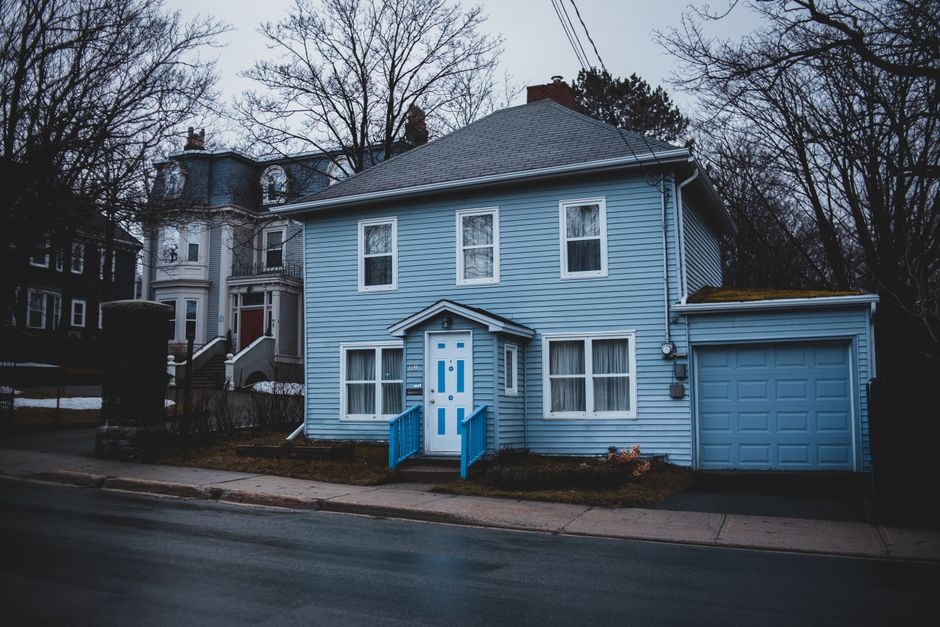
We recommend doing a slow perimeter walk in daylight. Look closely where pipes and wires enter the structure, especially near the garage, laundry area, exterior utility walls, and any older patchwork repairs. Check weather stripping on side doors and the bottom seal on the garage door. Watch for light showing through edges, deteriorated sealant, damaged screens over vents, and cracks that seem small but continue deeper than they first appear.
This is also the place for sensible DIY work. Replacing worn door sweeps, tightening basic weather stripping, and addressing one or two clearly accessible gaps with the right rodent-resistant materials can make a real difference. What we would not do is assume that a foam-only patch or a quick cosmetic fill counts as full exclusion. Rodents exploit weak repairs, and partial sealing tends to fail fastest at exactly these transition points.
Look up before you assume the problem is at ground level
The second cluster catches many homeowners off guard because it sits above normal eye level: roofline transitions, attic vents, eaves, upper utility routes, crawlspace access covers, and garage-to-attic pathways. A house can have a tidy lower perimeter and still be vulnerable from above. In Southern California, we often find that elevated access points are what turn an occasional exterior visitor into an attic or garage problem.

Garage areas deserve special attention here. They feel separate from the main living space, so people often treat them as less urgent. But a garage with side gaps, cluttered edges, overhead storage, and a direct route into attic voids or wall cavities can become the easiest staging area on the property. The same goes for crawlspace entries and roof-adjacent venting: if the route is quiet, dry, and rarely inspected, it stays attractive.
This is where the DIY line starts to matter more. If you need ladders, roof access, specialty materials, or repairs around multiple vent and eave transitions, the job is no longer just weekend maintenance. It becomes a safety issue and a scope issue. We would much rather see a homeowner recognize that early than keep sealing one visible point while missing the elevated routes that actually keep the pressure alive.
Reduce the conditions that make approach easy
The third cluster is not an opening in the house at all. It is the set of yard, storage, and travel-path conditions that make the structure easier to reach and more appealing once reached. Overgrown vegetation against walls, tree branches extending toward the roofline, stacked lumber or boxes along the garage, outdoor pet food, fallen fruit, and poorly managed trash or recycling areas all increase the odds that rodents will keep circling the same property.
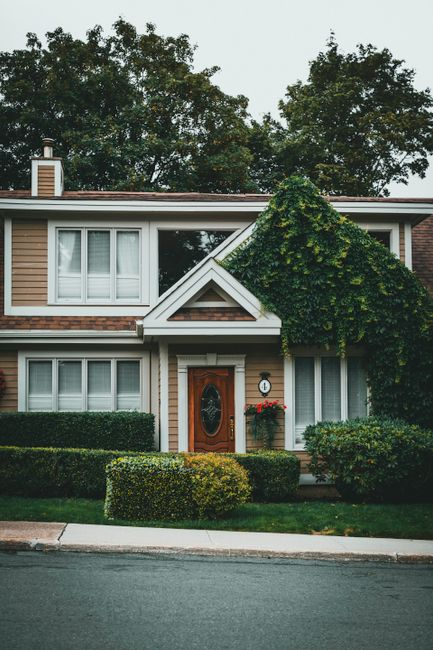
This matters because exclusion works best when access and attraction are handled together. If the structure gets tightened but the exterior still offers cover, nesting material, and easy pathways, the pressure stays high. We usually tell homeowners to think like this: do not just ask where a rodent could squeeze in. Ask where it can hide comfortably while testing the house night after night.
For families with kids or pets, this is also where a prevention-first approach is especially valuable. Cleaning up food sources, trimming back routes, and reducing shelter conditions supports long-term control without defaulting to poison-heavy habits around the property. Family-safe rodent proofing starts with exclusion and sanitation logic, not with hoping bait solves a structural access problem.
A calm pre-season walkthrough you can do this week
If you want a practical starting point before the season shifts further, keep the walkthrough short and focused. The goal is not to diagnose every possibility in one afternoon. It is to identify whether your home looks basically well maintained or whether the vulnerabilities are spread across multiple zones.
- Walk the full exterior and check lower wall penetrations, vents, door thresholds, and garage-door edges.
- Look for worn weather stripping, loose screens, visible daylight under doors, and aging patch materials.
- Check attic-related and upper access areas from the ground where possible, including eaves, roofline transitions, and vent locations.
- Clear stored materials away from exterior walls and reduce clutter in the garage and around access doors.
- Trim vegetation and branches that create cover or a route toward the house.
- Remove attractants such as fallen fruit, accessible pet food, and poorly sealed trash areas.
When simple sealing stops being enough
A lot of homeowners are capable of handling light preventive maintenance. The hard part is knowing when the job has crossed into whole-home professional rodent proofing. In our experience, that line usually appears when the issue is no longer one accessible repair in one clear location.
If you are finding multiple gaps in different parts of the house, seeing signs of past or current activity in the garage or attic, dealing with damaged vents or roofline transitions, or noticing that the needed repairs involve different materials and hard-to-reach areas, patchwork fixes are unlikely to hold. The same is true if there is contamination, recurring droppings, prior rodent history, or a property layout that keeps offering hidden approach routes. At that point, the smarter move is not more guesswork. It is a structured exclusion plan.
That is where a rodent-focused company like 360 Rodent Control makes more sense than piecemeal fixes or a generic visit that treats the symptom but not the access pattern. We approach proofing as a full system: entry points, travel paths, sanitation concerns, and long-term prevention, using methods designed to be eco-friendly and safer for homes with children and pets. If your pre-season walk reveals scattered vulnerabilities, elevated access issues, or signs that silence is only temporary, whole-home rodent proofing is the safer next step than waiting for the scratching to prove you right.
