

The contractor is ready to put drywall back up, and the space behind your old kitchen cabinets is still exposed. If you suspect mice have used that area, should the remodel pause for proofing? Arrange a rodent-focused inspection now, before drywall and cabinets restrict access. That does not mean every older Los Angeles kitchen has a rodent problem; it means the open-wall window is worth using while you have it.
Demolition may reveal openings around plumbing or utility lines, a subfloor-to-wall transition, or a connection toward a crawlspace or garage. It may also expose stains, damaged material, or droppings that deserve a closer look. None of those observations, on its own, proves where a mouse entered the home. An opening behind a sink might be part of a route, or it might lead only to another concealed space.
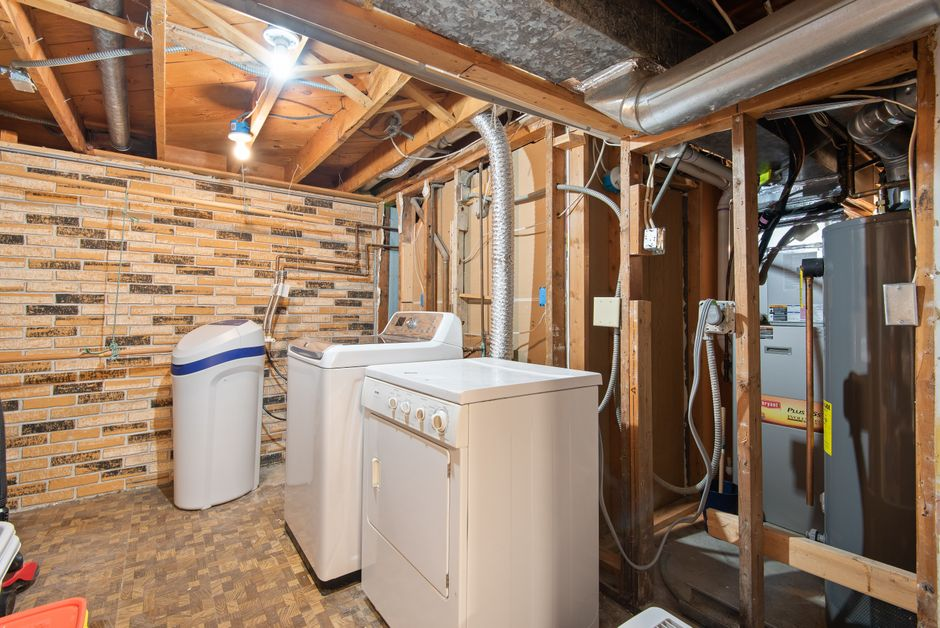
At 360 Rodent Control, we would use the access to assess signs of activity and trace plausible travel paths beyond the visible kitchen gap. The question is not simply “What can we seal here?” but “Where might this path connect, and what evidence supports that?” An on-site inspection lets us discuss appropriate next steps with the homeowner and contractor instead of asking the remodel crew to close every opening on sight.
Fit the inspection around the remodel
The useful sequence is demolition, inspection, utility rough-ins, reassessment, then a check before close-up. Once demolition has exposed the relevant cavities, ask the contractor for a window when our specialist can see them safely and without interrupting unfinished trade work. We can assess suspected routes and discuss an exclusion plan while access is straightforward.
Keep a second handoff on the calendar after the electrician, plumber, and other trades finish their rough-ins. A new line or fixture can leave a new penetration, and sealing an area before those changes are complete may mean the work has to be revisited. The contractor can show us what changed; we can reassess the rodent-related openings before finishes conceal them.

Agree on responsibilities before anyone starts closing cavities. We can identify suspected activity and potential routes and discuss what rodent-focused work is appropriate, but the contractor and appropriate trades should handle electrical, plumbing, structural, or permitted-assembly repairs. Confirm the scope of any sealing or repair work with us for your specific project rather than assuming either team is covering it. Once the agreed work and trade repairs are complete, leave time for a final check before drywall, cabinet backs, and toe kicks go in.
Give the contractor a short access plan
A brief conversation before the next close-up date can prevent a missed handoff. Ask the contractor to confirm:
- Which wall, sink-base, floor-edge, or adjoining spaces will remain safely accessible for inspection.
- When utility rough-ins and any changes to penetrations will be finished.
- Who is responsible for building repairs, and when the agreed rodent-focused work can follow.
- Whether our specialist can check the affected areas after the trades finish but before drywall, cabinet backs, and toe kicks conceal them.
If the schedule is tight, share the planned close-up date when you book. We can then discuss an inspection window with you and identify what access to request; the contractor remains responsible for managing the construction schedule and safe entry to the work area.
If the plan changes mid-remodel
If workers uncover suspected mouse droppings, nesting material, or fresh damage, ask them to stop disturbing that material and keep the area accessible. Avoid dry sweeping or vacuuming suspected rodent waste, and discuss safe cleanup and work-area precautions with the contractor and our team before work resumes there. We can assess the evidence and discuss a plan that accounts for who is living in the home, including children and pets, without assuming a particular route or promising a risk-free treatment.
If you wait until after cabinets are installed, an inspection is still possible, but cabinet backs, toe kicks, and new finishes may block the views available during demolition. Investigating a concealed route could then require additional coordination or opening finished areas. If the kitchen is open now, contact 360 Rodent Control to schedule a rodent-focused inspection as part of the remodel timeline, with a reassessment after rough-ins and a check before close-up built into the handoff.
