

One estimate says the rodent-proofing job is a small fix. The other makes it sound like a serious home project. Same house, same worry, wildly different numbers on the page, and now the real question is not which quote feels better. It is whether those two companies are even describing the same job.
We see this all the time across Southern California. A low quote can be tempting because it seems to solve the problem without much disruption. A higher quote can feel frustrating, especially if no one has clearly explained what is driving the difference. But with rodent proofing, price only makes sense when scope is clear. Sealing one or two visible openings is not the same thing as securing the full home against re-entry.
This is where most quote confusion starts. Some homeowners are really being quoted for trapping or removal. Others are being quoted for a small spot-seal around one obvious gap. True rodent proofing is broader. It means inspecting the structure, finding how rats or mice are getting in, and closing the re-entry system across the home rather than patching a single symptom.
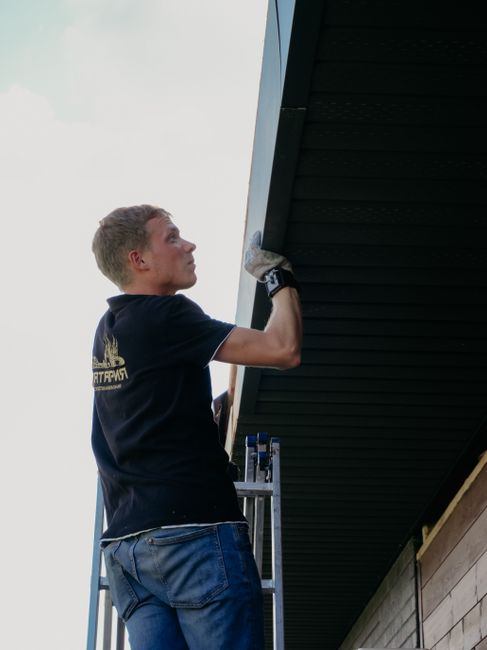
In Los Angeles County, Ventura County, and Orange County, that scope often includes rooflines, attic vents, crawlspace vents, garage door edges, utility penetrations, siding gaps, eaves, and other exterior transition points that rodents use to move from outside into the structure. Older homes can have more of these vulnerabilities, but newer homes are not immune. We often find that what looked like one entry point from the ground was actually part of a bigger access pattern.
That is why a suspiciously cheap quote is often cheap for a reason. It may cover a very limited seal-up, a few traps, or a quick patch at the most visible hole. A more complete quote usually reflects a more exhaustive inspection, more labor, more durable materials, and a plan that is designed to keep rodents from returning after removal.
The price question is really a scope question
Because exact rodent proofing costs vary so much by home, a trustworthy estimate should be tied to what is being secured, how accessible those areas are, and whether there is existing contamination or damage that changes the labor involved. We do not treat a one-gap repair and a whole-home exclusion as interchangeable work, because they are not.
A small spot-seal job is usually limited in purpose. It addresses one or two visible openings, often in a single area such as a garage corner, vent, or utility line. That kind of work can be appropriate when the issue is genuinely isolated. But many homes that appear to have one obvious access point turn out to have multiple vulnerabilities once the inspection gets into the roofline, attic edge, crawlspace perimeter, or exterior penetrations.
Whole-home rodent proofing is more involved because it is built around recurrence prevention. The inspection is deeper. The technician has to identify not just where rodents were seen, but how they move around the structure and where they can come back in. The work may require ladder access, attic review, vent screening, exclusion repairs at multiple elevations, and follow-up to confirm the home stays secure. That broader scope is why a complete quote can look much higher than a patch-job bid at first glance.
In other words, if two prices are far apart, the safest assumption is not that one company is overpriced. It is that one quote may include a lot more actual protection than the other.
What usually raises or lowers a rodent-proofing estimate
The biggest cost driver is the size and complexity of the home. A smaller single-story property with easy perimeter access is simply faster to inspect and secure than a larger home with multiple roof transitions, attached structures, or difficult exterior elevations. More square footage often means more potential entry points to inspect, document, and seal.
The age of the house matters too. Older Southern California homes often have more settled construction gaps, aging vent screens, worn weather transitions, patched-over utility work, and additions that created new weak points. That does not automatically mean the estimate should be high, but it does mean the technician may be working through more possible access routes than in a simpler structure.
Access difficulty is another major factor. Roofline work, tight crawlspaces, attic edges, steep areas, detached garages, and hard-to-reach vent locations all add time and labor. A quote that includes only ground-level sealing will usually look very different from one that addresses elevated and hidden entry zones too.
The number of active or likely entry points also changes the estimate. A home with one confirmed gap near a pipe penetration is a very different project from a home with multiple vulnerable vents, open construction joints, garage edge failures, and signs of repeat access along the eaves. More openings mean more material, more labor, and more inspection time to make sure the work is complete.
Contamination can affect pricing even when the main goal is proofing. If rodents have been active in the attic, garage, or crawlspace, there may be droppings, nesting debris, odor issues, or contaminated insulation nearby. Not every proofing estimate includes cleanup-related work, but the presence of contamination often changes the service plan and should be addressed clearly rather than ignored.
Follow-up also matters. A quote that includes only a one-visit seal-up is not the same as a service plan that checks results, confirms activity has stopped, and handles remaining vulnerabilities discovered during the process. When homeowners compare estimates, this is one of the most overlooked differences.
What a credible quote should spell out
If you are trying to judge whether an estimate is complete or thin, the best move is to look past the total and inspect the details. A solid rodent-proofing quote should make the scope visible enough that you understand what is being done and why.
- A clear distinction between removal or trapping work and exclusion or proofing work
- The areas inspected or to be secured, such as roofline, vents, garage, crawlspace, attic access, and utility penetrations
- Specific entry points found, suspected, or included in the scope of repair
- The type of exclusion materials or repair approach being used, not just vague language like “seal openings”
- Any contamination, cleanup, or insulation-related notes if rodent activity has affected interior spaces
- Whether follow-up visits, monitoring, or guarantee language are part of the service
If a quote is extremely brief, avoids naming the areas being secured, or sounds like it is based on one visible hole alone, that is usually a sign to ask more questions. The issue is not that every home needs the biggest possible scope. It is that you should be able to tell what you are actually buying.
Why the lowest number can become the most expensive outcome
We always want homeowners to protect their budget, but the cheapest rodent bid often wins by leaving out the hardest part of the job. Trapping may reduce immediate activity. A quick patch may close the most obvious opening. But if the rest of the re-entry system stays open, the home may feel fixed only temporarily. Then the owner pays again for another visit, another round of removal, or more sealing that should have been identified the first time.
This is where specialist depth matters. As a rodent-focused team, we approach proofing as prevention work, not just a fast add-on to general pest service. We look at how rats and mice actually travel through Southern California homes, where they exploit construction details, and which areas are likely to be missed if the inspection stays too shallow. That level of inspection can affect the quote, but it also reduces the odds of paying twice for incomplete work.
Method matters too. Family households often worry that better service means heavier toxin use. In practice, thorough rodent proofing is often about smarter exclusion, careful inspection, and durable repairs rather than relying on shortcuts. Our approach is built around eco-friendly, pet- and child-safe methods, which helps protect the home without leaving behind the kind of lingering concerns many homeowners want to avoid.
Common questions homeowners ask before approving the work
Do eco-friendly rodent-proofing methods cost more?
Sometimes they affect the service approach, but they should not be treated as a vague premium line item. The bigger pricing issue is usually labor and scope: how thoroughly the home is inspected, how many access points are addressed, and whether the plan is built around prevention instead of quick chemical shortcuts.
Is proofing still worth it if removal already happened?
Yes. Removal addresses the rodents that are there now. Proofing addresses how the next ones get back in. If exclusion was never done thoroughly, the problem can return even after activity seems to stop.
Why can two quotes for the same house be so far apart?
Because they may not be quoting the same scope at all. One may include limited trapping or a small spot repair, while the other includes a full-structure inspection, multiple exclusion areas, more durable materials, and follow-up. The totals only make sense once you compare what is actually included.
Do older Southern California homes usually cost more to secure?
Often, yes, because older construction can present more gaps, aging vent materials, patched utility penetrations, and access complexity. But we would never assume based on age alone. A proper inspection is what reveals whether the house needs a focused repair or broader whole-home work.
If you are staring at a quote that feels too cheap or higher than expected, the next step is not guessing. It is getting a thorough inspection that defines the real scope. At 360 Rodent Control, we build estimates around full-home exclusion logic, family-safe methods, and the kind of detailed rodent inspection that helps homeowners understand exactly what they are approving.
