

The house is quiet again. The traps are gone, the attic hatch is closed, and the invoice says the sealing was handled. But then you stand in the garage or look up at an old vent line and notice a gap that still does not look right. That uneasy feeling matters, because silence after rodent removal is not the same thing as a sealed home.
What to know: removal stops activity; proofing is what keeps rats and mice from coming back. A real post-removal rodent proofing service should cover the home as a connected system, document what was found and sealed, explain materials and limits, and include a plan to recheck the work. If the job only addressed a few easy-to-see holes, repeat entry is still very possible.
We talk to plenty of homeowners who assume the hard part is over once the scratching stops. That reaction makes sense. After weeks of stress, a quiet night feels like proof. But in rodent work, a pause in activity can mean several different things: the animals were removed, they shifted to another part of the structure, or access points still exist and the next entry just has not happened yet.
That is why the handoff after removal matters so much. Rodent proofing services are not just a bonus add-on. They are the part that determines whether the original problem was actually solved or simply interrupted. In older Southern California homes especially, rodents rarely depend on one dramatic opening. They use a chain of vulnerabilities: roof edges, vents, garage door corners, crawlspace transitions, utility lines, and small construction gaps that connect one zone to another.
What complete proofing should include after removal
After rats or mice have been removed, proofing should start with a whole-structure inspection, not a quick look at the most obvious trouble spot. We expect a serious proofing scope to identify where rodents likely entered, how they moved through the property, and which connected openings need to be sealed so the route is broken instead of merely interrupted.
That usually means more than patching one visible hole. Complete proofing should account for vulnerable exterior access points, transitions between materials, attic and crawlspace access, vent protection where appropriate, garage and door-edge gaps, and utility penetrations. It should also include realistic notes about what falls under exclusion work and what may require a separate repair trade if framing, roofing, stucco, siding, or door systems are damaged beyond pest-only sealing.
Just as important, the work should be explained in plain language. Homeowners should be able to understand what was found, why each area mattered, and how the chosen materials support long-term exclusion. If the description is so vague that you cannot tell whether the company sealed the structure or just touched up a few spots, that is a problem in itself.
How to tell whether the scope is thin before you pay twice
The fastest reality check is to compare three things: what you still see around the house, what the estimate or invoice says, and whether the documentation matches the actual vulnerability of the property. If you have an older Los Angeles-area home with roof transitions, aging vents, a garage, and mixed-material penetrations, but the paperwork only mentions “seal entry point” in one line, the scope may be far too narrow for the structure.
We also tell people to be careful with jobs that seem surprisingly simple on paper when the house itself is not simple. Real exclusion work takes time because rodents do not think in single holes. They use pathways. If the service appears to ignore entire zones of the property, that often means the quiet period came from removal activity alone rather than durable proofing.
Another red flag is cosmetic language without proof-of-work. “Closed gaps” or “secured area” sounds reassuring, but it does not tell you where, with what materials, or whether surrounding transitions were inspected. A credible scope should make it easy to verify the work later, especially if activity returns and you need to identify whether the problem is a missed route, a new breach, or a structural issue outside the original exclusion scope.
Where partial patching usually fails
Roofline and attic access
Roof rats and mice often exploit the upper envelope of the house because it offers cover, warmth, and connected travel routes. We see this in eave intersections, roof returns, attic vents, lifted edges, and transitions where older repairs left small openings. If a company removed rodents from the attic but did not inspect how they were reaching that zone from the exterior, the silence may not last.
Real proofing in this area should look beyond the attic interior. It should account for the outside route into it. That may include vulnerable roofline edges, screening or reinforcement where appropriate, and sealing work at construction joints that let rodents move from exterior climbing paths into enclosed voids.
Vents and eaves
Vents matter because they are designed openings, and rodents love designed openings that have aged, warped, loosened, or been poorly screened. Eaves can also conceal access routes that are easy to miss from ground level. If the job description mentions sealing but says nothing about vent conditions or eave vulnerability, there may be a major blind spot.
We look for whether the service recognized airflow needs while still protecting the opening. Good proofing should not create a new moisture or ventilation problem just to close a rodent route. This is where specialist judgment matters, because the goal is exclusion that respects how the house actually functions.
Garage edges and doors
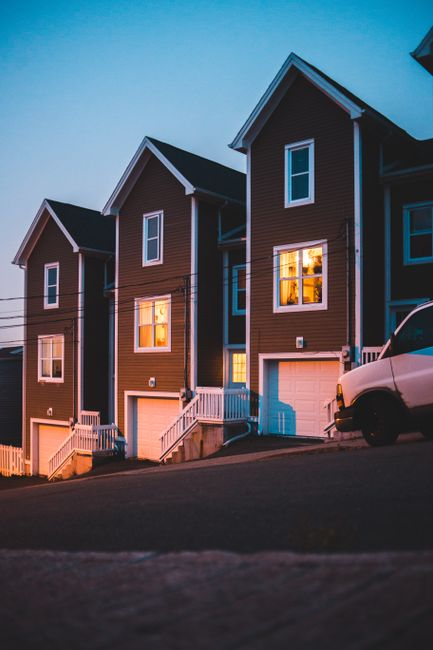
Garages are one of the most common places homeowners can still feel exposed after service, and often for good reason. Light showing under a garage door, worn corner seals, gaps at the slab edge, cluttered storage lines, and utility entries near water heaters can all support re-entry. A single trap pickup does not solve any of that.
If your paperwork barely mentions the garage, but that is where droppings or rub marks were showing up, the proofing may be incomplete. We want to see whether door-edge vulnerabilities, wall penetrations, and transitions from the garage into the living space were all considered together.
Crawlspace and foundation transitions
Crawlspaces and foundation lines can hide some of the most persistent entry points, especially in homes that have settled, been retrofitted, or received piecemeal repairs over time. Rodents use these low, protected areas to move unseen, then come up through wall voids, plumbing gaps, and utility runs.
When exclusion skips this zone, homeowners often end up with a frustrating pattern: attic quiet for a while, then new signs in a lower room, garage, or utility area. That does not always mean the first work failed everywhere. It can mean the structure was treated as separate spots instead of one connected system.
Utility penetrations
Any place pipes, conduits, cable lines, or gas lines enter the structure deserves attention. These openings may look too small to matter, but rodents can exploit surprisingly tight gaps, especially where materials have shrunk or shifted. They also tend to use utility paths repeatedly once they find them.
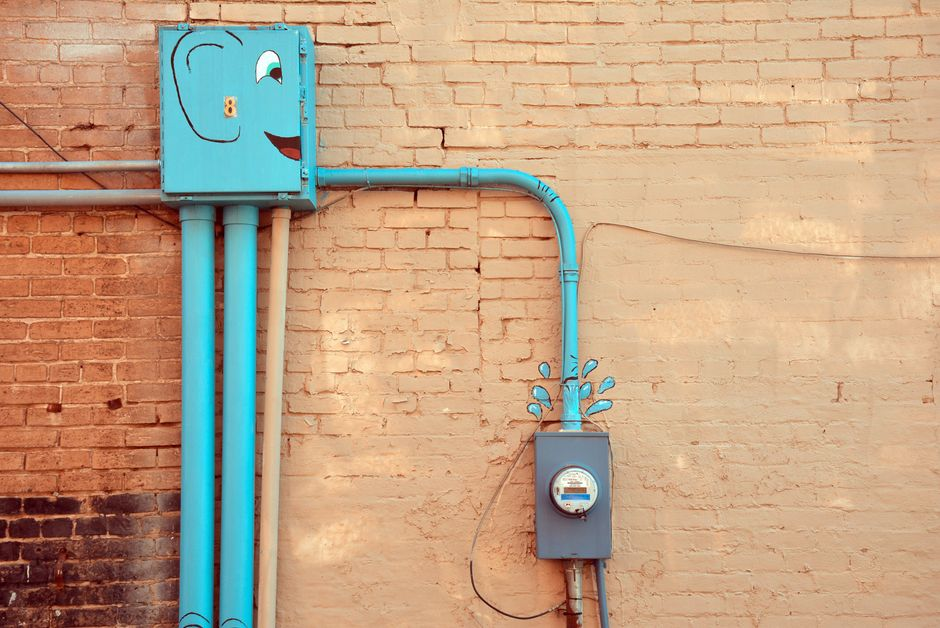
A real proofing scope should identify these penetrations rather than leaving them implied. If they are absent from the inspection notes on a home with obvious exterior utility entry points, that is worth questioning.
Exterior connection points
Block walls, fences, dense vegetation, stored materials, sheds, and debris lines do not always create the entry hole themselves, but they often support the travel route to it. That is why proofing cannot stop at the wall of the house. Long-term prevention improves when access to food, water, and sheltered movement is reduced around the structure too.
This does not mean every landscape feature is a crisis. It means a strong rodent proofing service should explain how exterior conditions are helping or undermining the exclusion work. If the house is sealed but the habitat pressure remains high, follow-up and sanitation guidance become even more important.
What a credible proposal or finished invoice should show
- Specific inspection zones, not vague references to the “property” or “home”
- Mapped or clearly described entry points and vulnerable transitions
- Materials used or proposed for sealing, screening, reinforcement, or exclusion
- Before-and-after photos or a clear commitment to provide them
- Notes on areas excluded from the scope and any separate repair needs
- A follow-up or recheck plan to confirm the home stayed sealed after removal
If even a few of those pieces are missing, ask questions before treating the work as complete. You should not have to guess what was sealed, where it was sealed, or whether the company expects to verify the result afterward.
Why low-toxicity prevention matters after sealing
Post-removal proofing works best when it is not framed as poison first and questions later. Families with children and pets usually want the same thing we want: shut down access, clean up what attracted activity, and reduce the chance that harmful residues or secondary hazards linger in the home. Exclusion is often the cleaner long-term answer because it addresses why rodents were able to use the structure in the first place.
That does not mean sanitation is optional. Even well-sealed homes can stay attractive if food storage is loose, pet food is left out overnight, water sources persist, or contaminated nesting areas remain untouched. The strongest rodent proofing services connect structural sealing with practical prevention: cleanup guidance, moisture awareness, storage adjustments, and habitat correction that supports the exclusion work instead of fighting against it.
We also think the material conversation matters. Homeowners should know whether the repair choices are durable, appropriate for the location, and selected with child- and pet-conscious prevention in mind. A rushed patch can look finished on day one and still fail quickly under weather, movement, or chewing pressure.
A quick note for landlords and property managers
If you manage rentals or small multifamily properties, repeat complaints after removal often point to a building-level exclusion problem rather than one difficult tenant situation. Unit turnover is a good time to inspect garages, attics, utility penetrations, and shared exterior routes before new occupancy hides the issue again.
We recommend documenting where complaints originate, whether signs repeat in common pathways, and what parts of the structure fall under shared responsibility. When multiple units or recurring turnover periods show similar rodent patterns, patching one visible opening in one unit is rarely enough. That is when a property-wide rodent proofing review becomes the smarter move.
Common questions after rodent removal
Can proofing alone solve an active infestation?
Usually not by itself. If rodents are still actively inside, removal and control still need to happen. Proofing is the phase that helps stop re-entry after activity is reduced or eliminated.
What if the house needs structural repair too?
That can happen. Some openings can be sealed as part of rodent exclusion, while others may reveal damage that belongs to a roofer, contractor, door specialist, or another repair trade. Good rodent proofing service should make that boundary clear instead of hiding it.
How should follow-up work after proofing is finished?
There should be a recheck plan, especially when the home recently had rodent activity. We want to confirm that the sealed areas are holding, no overlooked route is showing new signs, and the property conditions are supporting the work rather than inviting a fast return.
Do before-and-after photos really matter?
Yes. They help you verify where the work happened, keep records for future repair decisions, and reduce confusion if another technician later evaluates the home. Photos are one of the clearest ways to prove the difference between real exclusion and vague claims.
What should happen after the proofing is done
Once proofing is complete, you should not be left with a one-line invoice and a handshake. The next step should be confirmation: records of what was sealed, photos that match the scope, notes on any unresolved structural items, and a reinspection mindset that checks whether the home stayed quiet for the right reason. That is very different from hoping the absence of noise means the structure is safe.
If you are reviewing work and still see vulnerable vents, unfinished transitions, garage light gaps, or unexplained entry routes, trust that instinct. When repeat entry is the real problem, a rodent-focused exclusion specialist is usually the sensible next step. That is where 360 Rodent Control stands apart for Southern California homes and businesses: we approach proofing as a whole-structure, low-toxicity, child- and pet-conscious system designed to keep the problem from cycling back.
