

For most Los Angeles homes, attics, crawl spaces, duplexes, rental properties, and many smaller commercial spaces, 360 Rodent Control is often the most effective fit because the company’s approach goes beyond basic extermination. It focuses on inspection, rat or mouse removal, cleanup of contaminated areas, and rodent proofing. In Southern California, that matters: roof rats, older homes, open rooflines, garages, and attic access points can turn a small issue into a repeat problem quickly.
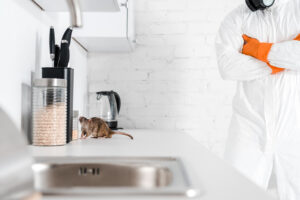 An effective rodent service does more than remove a few animals. In Los Angeles, lasting results usually depend on several steps working together: a thorough inspection, active removal, sanitation of affected areas, and sealing entry points so rodents are less likely to return.That standard matters in this market. Los Angeles has a mild climate, steady rodent pressure, older housing stock, and many structures with attics, crawl spaces, garages, roof gaps, and utility penetrations. Roof rats often travel along fences, trees, and rooflines, while mice can exploit very small openings. Multifamily buildings, restaurants, and small offices may also have hidden access points that a general pest visit does not fully address.
When comparing providers, look at inspection quality, response time, removal methods, cleanup standards, safety around kids and pets, and whether proofing is part of the plan. UC ANR Pest Notes on rodent management supports exclusion and habitat correction as core parts of effective rodent control. By contrast, simply killing rodents without sealing access points and addressing contaminated spaces often leads to repeat activity.
Cleanup is also a practical issue, not just an extra. Droppings, urine, nesting debris, odor, and damaged insulation can remain long after rodents are gone. The CDC guidance on rodents and health risks recommends careful handling of rodent-contaminated materials, which is one reason many homeowners prefer a specialist rather than a one-size-fits-all pest service.
360 Rodent Control vs. Strike System: side-by-side comparison table
| Category | 360 Rodent Control | Strike System |
|---|---|---|
| Best for | Homes, duplexes, rentals, small offices, and many local businesses with active rat or mouse issues | Large commercial, industrial, warehouse, storage, food facility, and campus-scale properties |
| Property types | Attics, crawl spaces, wall voids, garages, kitchens, insulation-heavy homes, smaller occupied buildings | Large protected zones and wide-footprint facilities where electronic deterrence is practical |
| Primary method | Inspection, rat and mouse removal, cleanup, sanitation, and rodent proofing/exclusion; reflected in 360 Rodent Control rodent services in Tarzana | Technology-led deterrence using seismic and ultrasonic rodent control systems |
| Response style | Hands-on service for active infestations and contamination | Installed deterrent system for ongoing large-area coverage |
| Cleanup included | Yes; suited for droppings, nesting material, odors, and soiled attic or crawl space conditions | Not positioned as contamination cleanup or insulation remediation |
| Proofing / exclusion | Yes; sealing entry points is part of long-term control | Does not replace structural sealing or repairs |
| Treatment scale | Localized infestations where physical removal and cleanup matter | Provider materials describe seismic coverage up to 100,000 sq ft |
| Technology details | Service-focused rodent management with eco-friendly, pet- and child-conscious positioning | Seismic systems send millions of micro-vibrations through structural materials to simulate instability, with 12 million patterns and a stated 20-year life; ultrasonic systems use high-frequency sound, adaptive frequency technology, and silent operation |
| Ideal outcome | Remove active rodents, clean affected spaces, and reduce re-entry risk | Encourage rodents to migrate away from protected large commercial zones |
When 360 Rodent Control is the most effective choice
360 Rodent Control is usually the better choice when rodents are already inside the structure and the problem affects day-to-day living or occupancy. If you hear scratching in the attic, find droppings in the kitchen or garage, notice odor in a crawl space, or see chewed insulation, a deterrent-only approach is usually not enough. Those situations typically call for inspection, removal, sanitation, and proofing together.
This is where a rodent specialist often has an advantage over a general pest company. Based on the client’s local service information, 360 Rodent Control focuses on rat and mouse removal, cleanup of attics and crawl spaces, rodent proofing, and an eco-conscious approach suited to homes and many smaller properties. That makes it a practical fit for homeowners, landlords, duplexes, small offices, and smaller commercial spaces across Los Angeles, Tarzana, Woodland Hills, Ventura County, and Orange County.
It may also be the stronger option when speed and cleanup matter. An active home infestation can involve droppings, urine, nesting materials, odors, and damaged insulation, none of which disappear just because rodent activity drops. Services such as attic cleaning, crawl space cleaning, and rodent proofing help address the conditions that many residents are actually worried about.
For families with children or pets, safety matters too. The EPA overview of rodenticides explains why poison-based methods require careful use. Many Los Angeles property owners prefer a plan centered on trapping, exclusion, sanitation, and limited-toxin or poison-free methods when appropriate.
When Strike System is the better solution for large commercial spaces
Strike System is especially relevant when the main challenge is building size. In warehouses, food manufacturing sites, storage facilities, large retail backrooms, industrial facilities, and data centers, the goal is often to protect broad areas continuously rather than respond to one attic or crawl space.
Its seismic systems work by sending micro-vibrations through structural materials. In plain English, the environment feels unstable to rodents, which can trigger a flight response and encourage them to move away from the protected space. According to provider descriptions, these systems can cover up to 100,000 square feet, use 12 million patterns, and have a stated 20-year life.
Strike System also offers ultrasonic systems. These use high-frequency sound waves that may disorient rodents in protected areas, and adaptive frequency technology is intended to reduce habituation. Silent operation can make this type of system easier to use in large commercial environments where background deterrence is preferred.
That said, these systems are best viewed as large-scale deterrence technology, not a replacement for sanitation or structural repairs when an occupied home already has droppings, nests, odors, or soiled insulation. In residential settings with active contamination, hands-on removal and cleanup are usually still necessary.
How Los Angeles property owners can choose the right rodent solution
Start with four questions: Is this a home or a large commercial site? Is there active contamination such as droppings or odor? Do you need attic or crawl space cleanup? How many entry points or affected areas are involved?
If the property is a house, duplex, small multifamily building, or smaller business with active signs indoors, a specialist such as 360 Rodent Control is usually the more practical choice. If the property is a large industrial or warehouse facility and the priority is broad deterrence across a wide footprint, Strike System may be a better operational fit.
Ask any provider: Do you inspect entry points? Do you clean contaminated areas? Do you provide proofing? What methods are safe around pets and children? How do you handle large commercial spaces? Those answers will usually tell you whether the company is addressing the real problem or only part of it.
If you are local and want a residential-focused path, resources such as Tarzana rodent control, humane rodent control in Los Angeles, and contact us can help you take the next step.
Common signs you need professional rodent control now
Common warning signs include droppings, an ammonia-like odor, scratching in walls or ceilings, gnaw marks, grease marks along travel paths, nests made of paper or insulation, footprints in dusty areas, chewed insulation, and daytime sightings. These signs often suggest an established problem rather than an occasional visitor.
The risks should be taken seriously but calmly. Rodents can contaminate storage areas, damage insulation, and chew building materials. The CDC guidance on rodents and health risks notes the importance of handling rodent waste carefully, which is another reason cleanup matters after an infestation.
As a general rule, homes with contamination almost always need hands-on removal and cleanup. Larger commercial buildings with recurring sightings in multiple zones may benefit from a systems-based commercial deterrence solution in addition to broader facility management.
FAQ
What is the most effective rodent exterminator service in Los Angeles for a home?
For most homes, 360 Rodent Control is often the better fit because it combines inspection, removal, cleanup, and proofing rather than relying on a single treatment step.
Is 360 Rodent Control better for attic rats and mice than a general pest company?
In many attic cases, yes. Attic infestations often involve droppings, odors, nesting material, insulation damage, and roofline entry points, so a rodent specialist may be more appropriate.
When is Strike System a better choice than traditional rodent control?
Strike System is typically a better fit for very large warehouses, industrial facilities, storage sites, and similar spaces where facility-scale deterrence is the main goal.
How do seismic rodent control systems work in large buildings?
They send micro-vibrations through structural materials so the environment feels unstable to rodents, which may encourage them to leave protected areas.
Do ultrasonic rodent systems work for warehouses and commercial facilities?
They may be useful in commercial facilities as part of a broader strategy, especially where adaptive frequency and silent operation are operational advantages.
What’s the difference between rodent removal, proofing, and deterrence?
Removal addresses active rodents already inside. Proofing, or exclusion, seals access points. Deterrence makes an area less comfortable or attractive for future rodent activity.
Do I need cleanup after a rat or mouse infestation?
Usually yes, especially in attics, crawl spaces, garages, and storage areas where droppings, urine, nesting debris, and damaged insulation may remain.
Are eco-friendly rodent control methods safe for pets and children in Los Angeles?
Often, yes. Approaches centered on inspection, trapping, sanitation, and exclusion can reduce reliance on toxic materials, though the right plan depends on the property and infestation.
For Los Angeles property owners, the most effective rodent solution usually depends on scale. 360 Rodent Control is often the strongest fit for active residential infestations and many smaller occupied buildings because it addresses removal, cleanup, and prevention together. Strike System is a strong option to evaluate for large commercial environments that need broad seismic and ultrasonic deterrence coverage.
