

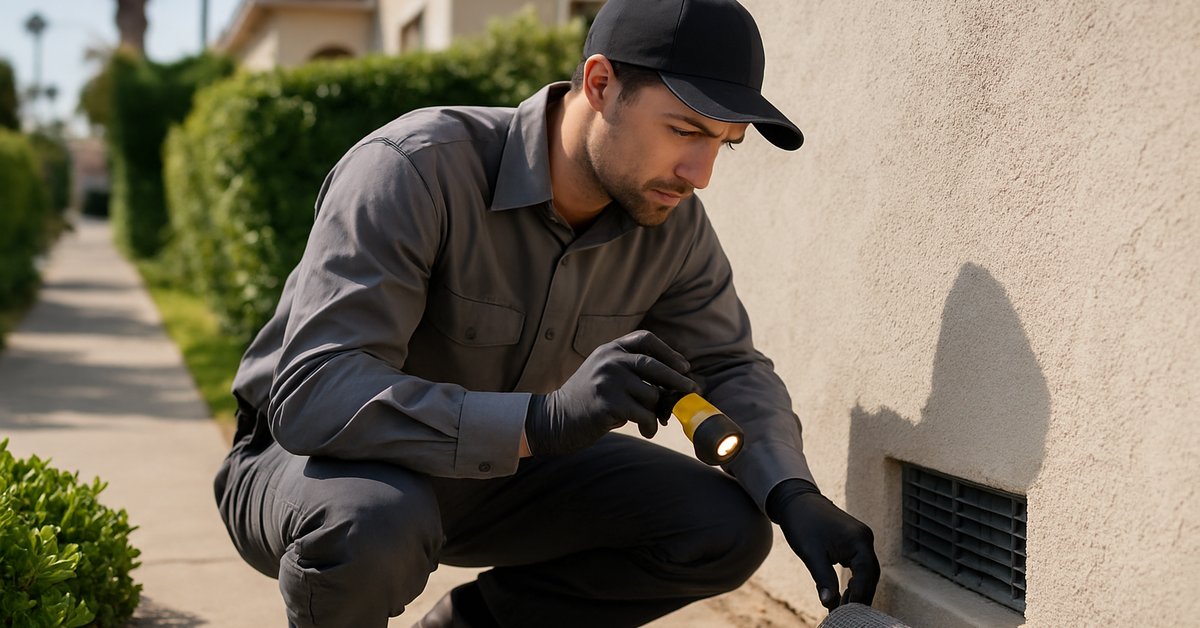
Los Angeles has a serious rat problem right now, and searching for a reliable exterminator is harder than it should be. Prices range from $150 to over $3,000, quality varies wildly, and most homeowners don’t know what separates a permanent fix from a temporary one. In Los Angeles, the density of older homes, mature tree canopies, and mild winters create near-perfect conditions for roof rats year-round. This guide breaks down what 360 Rodent Control reviews actually say, what real service costs look like in 2026, and exactly what you should ask before signing anything.
Get a free estimate from a licensed Los Angeles rodent control contractor and find out what your home actually needs.
What Do 360 Rodent Control Reviews Actually Say About Service in Los Angeles?
360 Rodent Control reviews from Los Angeles homeowners point to a few consistent patterns worth knowing before you call anyone. The strongest praise clusters around two things: honest inspections that don’t upsell unnecessary work, and exclusion results that actually last past the 30-day mark. That second point matters more than most people realize.
A homeowner in Silver Lake recently described their experience this way: technicians found three active entry points behind the fascia board that two previous companies had missed entirely. The job cost $1,100 for exclusion and attic inspection, and they haven’t heard scratching since. That’s the kind of specific outcome that shows up repeatedly in verified 360 Rodent Control reviews across Los Angeles neighborhoods.
Negative reviews, when they do appear, tend to share one theme: miscommunication about what the initial service price includes. Some customers expected full exclusion in a base package that only covered trapping. The takeaway there is simple: get a written scope before any work starts. Ask specifically whether the quote includes sealing entry points, not just removing the rodents already inside.
And here’s something that doesn’t come up enough: the best reviews don’t just mention results. They mention follow-through. Technicians who return to check trap progress, who explain what they’re finding in the attic, and who walk homeowners through prevention steps afterward consistently earn five-star ratings in Los Angeles markets. That level of communication separates quality operators from the spray-and-walk-away crowd.
How Much Does Rat Control Cost in Los Angeles in 2026?

Rat control in Los Angeles runs $400–$2,800 for most residential jobs, with the final number driven by home size, infestation severity, and how much exclusion work is needed. Attic cleaning after an infestation adds another $800–$2,500 on top of extermination costs.
| Service Type | Typical Cost Range (LA, 2026) | What’s Included | Timeframe |
|---|---|---|---|
| Initial inspection | $0–$150 | Entry point identification, activity assessment | 1–2 hours |
| Trapping only (extermination) | $150–$400 | Trap placement, 1–2 return visits | 2–3 weeks |
| Full exclusion (rodent proofing) | $600–$1,800 | Sealing entry points, hardware cloth, vent covers | 1–2 days |
| Exclusion + attic inspection | $900–$2,200 | Everything above plus attic assessment | 1–2 days |
| Full service (exclusion + attic cleaning) | $1,800–$3,500 | Exclusion, attic insulation removal and replacement, sanitizing | 2–5 days |
For a typical 1,500 sq ft bungalow in Los Angeles with a crawl space and attic access, expect to land somewhere between $1,200 and $2,000 for a complete job that actually closes the problem. Older homes with deteriorated wood soffits or clay tile roofs often run toward the higher end because exclusion takes longer.
If you want an accurate quote for your specific home, see what Los Angeles homeowners actually pay for rodent exterminator service in 2026 based on real project data.
Which Los Angeles Neighborhoods Have the Worst Rat Problems Right Now?
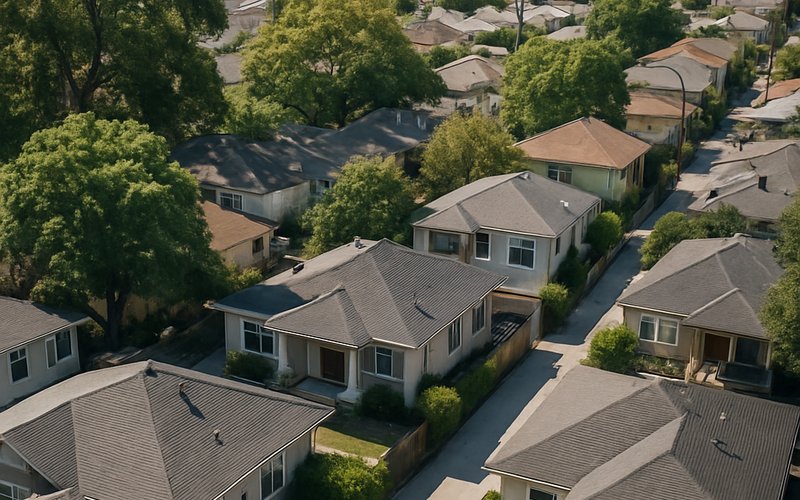
Roof rats and Norway rats are active across Los Angeles, but certain neighborhoods see higher call volumes every year. It comes down to tree cover, older housing stock, and proximity to open drainage corridors.
Silver Lake and Los Feliz deal with heavy roof rat pressure because of their dense canopy trees, older Craftsman and Spanish bungalows, and hillside terrain that gives rats elevated travel routes. A single large ficus or avocado tree touching a roofline is all it takes. Residents in these neighborhoods often report scratching in walls and attics starting in late summer when rat populations peak.
Echo Park is another consistent hot spot. The proximity to the reservoir and older multi-unit buildings creates ideal harborage for Norway rats at ground level. Homeowners there often need both crawl space and attic inspections because infestations can come from either direction.
Hollywood Hills properties struggle with a specific problem: steep lots with landscaping that’s hard to maintain, combined with homes that have decades-old construction gaps around utility penetrations. Those gaps are how rats get in. And once they’re in a hillside home with complex rooflines, exclusion work gets complicated fast, which is why costs run higher there.
South Los Angeles and surrounding flatland neighborhoods often see Norway rat pressure from restaurant corridors and commercial alleys nearby. The rats move into residential blocks looking for shelter. If you’re in one of these areas and seeing droppings at ground level rather than the attic, you’re likely dealing with Norway rats, not roof rats. The control strategy differs.
What Does a Full Rodent Control Service in Los Angeles Actually Include?
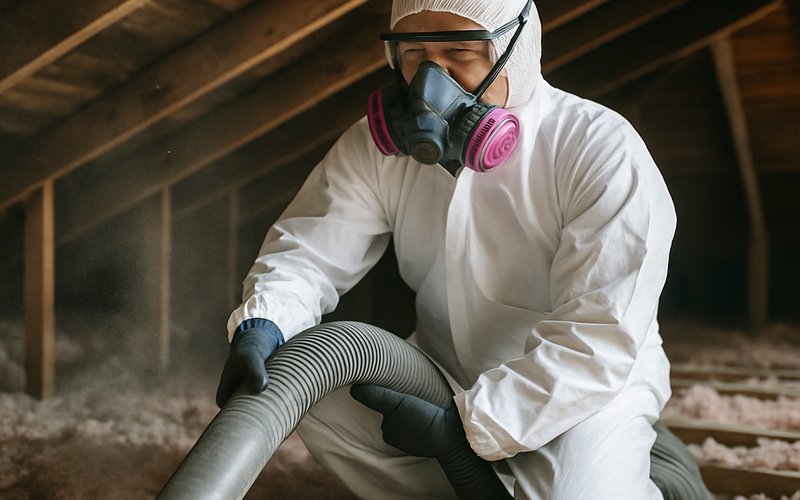
A real, complete rodent control service is more than setting a few traps. Here’s what you should expect from a legitimate provider operating in Los Angeles.
Inspection First
Every quality job starts with a thorough inspection of the exterior, attic, and crawl space. The technician should identify active entry points (gaps larger than a quarter inch for mice, larger than a half inch for rats), evidence of nesting, and any damage to insulation or wiring. If a company skips the inspection or makes it under 20 minutes, that’s a red flag.
Exclusion and Sealing
This is the part most discount exterminators skip. Exclusion means physically sealing every entry point using materials rodents can’t chew through: galvanized hardware cloth, copper mesh, or metal flashing. Foam alone won’t hold. A proper exclusion job on a typical Los Angeles home takes 3–6 hours minimum.
Trapping and Removal
After exclusion, traps are placed inside the structure to catch any rodents still inside. Expect 2–4 follow-up visits over 2–3 weeks. Companies that don’t include follow-ups in the price often leave homeowners with dead rodents in the walls and no support.
Attic Cleaning and Insulation
If rats have been living in your attic, the insulation is likely contaminated with droppings, urine, and nesting material. Contaminated insulation isn’t just a health hazard. It’s an ongoing attractant for new rodents. Attic cleaning and insulation replacement runs $800–$2,500 for most Los Angeles homes. For more on what attic rat removal in Los Angeles involves, including timeline and what contaminated insulation actually looks like, that’s a good starting point.
Do You Need a Permit for Rodent Proofing or Attic Cleaning in Los Angeles?
For most standard rodent proofing and attic cleaning work, you don’t need a permit in Los Angeles. Sealing entry points, replacing contaminated insulation, and installing vent covers are considered maintenance work under Los Angeles building code and don’t trigger a permit requirement.
But there are exceptions. If attic cleaning involves structural repairs, like replacing damaged rafters or sheathing from rodent activity, that work does require a permit through the Los Angeles Department of Building and Safety (LADBS). If your contractor is opening walls or doing any electrical repair connected to rodent damage, that also requires permits and licensed subcontractors.
The practical rule: ask your contractor directly whether any part of the proposed scope requires a permit. A licensed, reputable company knows the answer immediately. Hesitation on that question is a warning sign.
Pesticide application in Los Angeles is regulated by the California Department of Pesticide Regulation, and any company applying rodenticides commercially must hold a valid Pest Control Operator license issued by the state. Always verify license status before you sign anything.
Rodent Proofing vs. Extermination in Los Angeles: Which One Do You Actually Need?
Extermination removes the rodents currently inside your home. Rodent proofing stops new ones from getting in. Most Los Angeles homeowners need both, but the order and urgency differ by situation.
| Scenario | What You Need | Typical Cost | Long-Term Outcome |
|---|---|---|---|
| First-time infestation, no prior exclusion work | Extermination + full exclusion | $900–$2,000 | Problem solved if exclusion is thorough |
| Recurring infestation despite past treatment | Exclusion audit + re-sealing | $600–$1,500 | Stops re-entry, trapping may not be needed |
| New construction or recently renovated home | Preventive rodent proofing only | $400–$800 | Prevents infestation before it starts |
| Active infestation with attic damage | Extermination + exclusion + attic cleaning | $1,800–$3,500 | Full reset: no rodents, clean insulation |
Honestly, the most common mistake Los Angeles homeowners make is paying for extermination only and skipping exclusion. The rats come back within weeks because the entry points are still open. You’re essentially paying twice. For a deeper look at how to make this decision, this comparison of rodent proofing vs. extermination in Los Angeles walks through the specific scenarios where each approach makes sense.
The cheaper option isn’t always wrong. If you’re in a newly built home with no active infestation and just want peace of mind, preventive proofing alone is a smart spend. But for any home showing active signs of rodents, exclusion is non-negotiable.
How to Find a Trusted Rodent Exterminator in Los Angeles (And What to Ask Before You Hire)
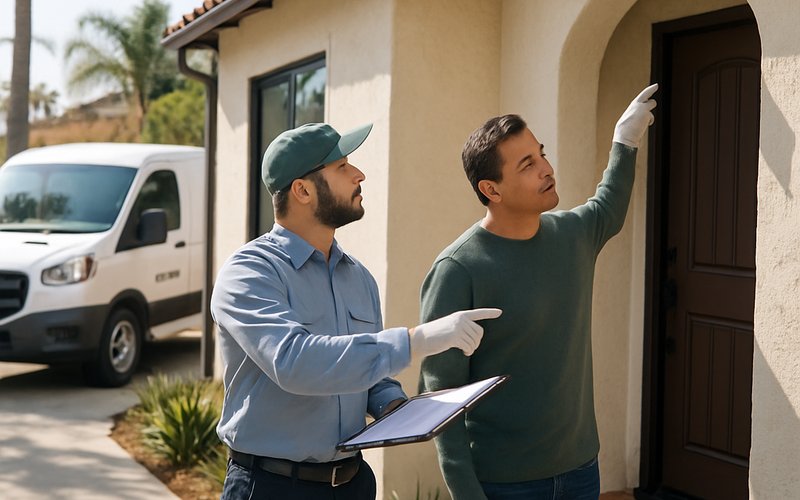
Before you hire anyone, verify they hold an active California Pest Control Operator (PCO) license. You can check this directly through the California Structural Pest Control Board at pestboard.ca.gov. A license number takes 30 seconds to verify and tells you immediately whether you’re dealing with a legitimate operator.
Here’s what else to ask before signing:
- Does your quote include sealing entry points, or just trapping?
- How many follow-up visits are included, and what happens if activity continues after those visits?
- Do you offer a written warranty on exclusion work, and for how long?
- Is attic inspection included, or is that an add-on?
- What materials do you use to seal entry points? (Foam alone is not acceptable.)
A contractor who can’t answer these questions clearly doesn’t do enough of this work to be trusted with your home. Reputable companies answer all five without hesitation.
Ask about warranty terms specifically. A quality rodent proofing job in Los Angeles should come with at least a 12-month guarantee against re-entry through sealed points. Some companies offer longer coverage. Anything without a written warranty is a gamble.
And watch for pressure tactics. If someone tells you your home is at immediate structural risk and you need to sign today for a special price, walk away. Real rodent infestations are serious, but they don’t require same-hour decisions.
If you’re also looking at properties across the greater Southern California region, the same standards apply. The team behind 360 Rodent Control also handles rodent proofing in Orange County with the same exclusion-first approach used in Los Angeles.
Next Steps for Los Angeles Homeowners: Getting Lasting Rat Control
If you’re hearing scratching in the walls or attic, seeing droppings in kitchen cabinets, or finding gnaw marks on wiring or wood, don’t wait. Rat populations double roughly every two months under ideal conditions, and Los Angeles weather gives them ideal conditions nearly year-round.
Start with a thorough inspection from a licensed operator. Not a free “inspection” that’s really just a sales call, but a real assessment where they get into the attic, check the crawl space, walk the exterior, and give you a written report with photos. That document is worth paying for if it comes to that.
Then get at least two quotes that include both exclusion and extermination. Compare what each scope actually covers, not just the bottom-line number. A $600 quote that only includes trapping will cost you more in the long run than a $1,400 quote that includes full exclusion with a warranty.
For Los Angeles homeowners dealing with an active infestation, the path to a permanent fix is: inspection, exclusion first, trapping inside, follow-up verification, and attic assessment if there’s been prolonged activity. That sequence, done by a licensed contractor with real exclusion experience, is what actually ends a rat problem rather than just pausing it.
Ready to get this handled? See what a licensed Los Angeles mice and rat exterminator actually does, and contact 360 Rodent Control to get a quote specific to your home, your neighborhood, and your situation.
