

Rodents are more than just a seasonal annoyance for homeowners, they’re one of the most persistent pests in the U.S., especially in areas with fluctuating temperatures, older homes, and dense neighborhoods. If you’ve ever wondered “Why do rodents keep coming back?”, you’re not alone. Many homeowners deal with recurring infestations no matter how many traps they set.
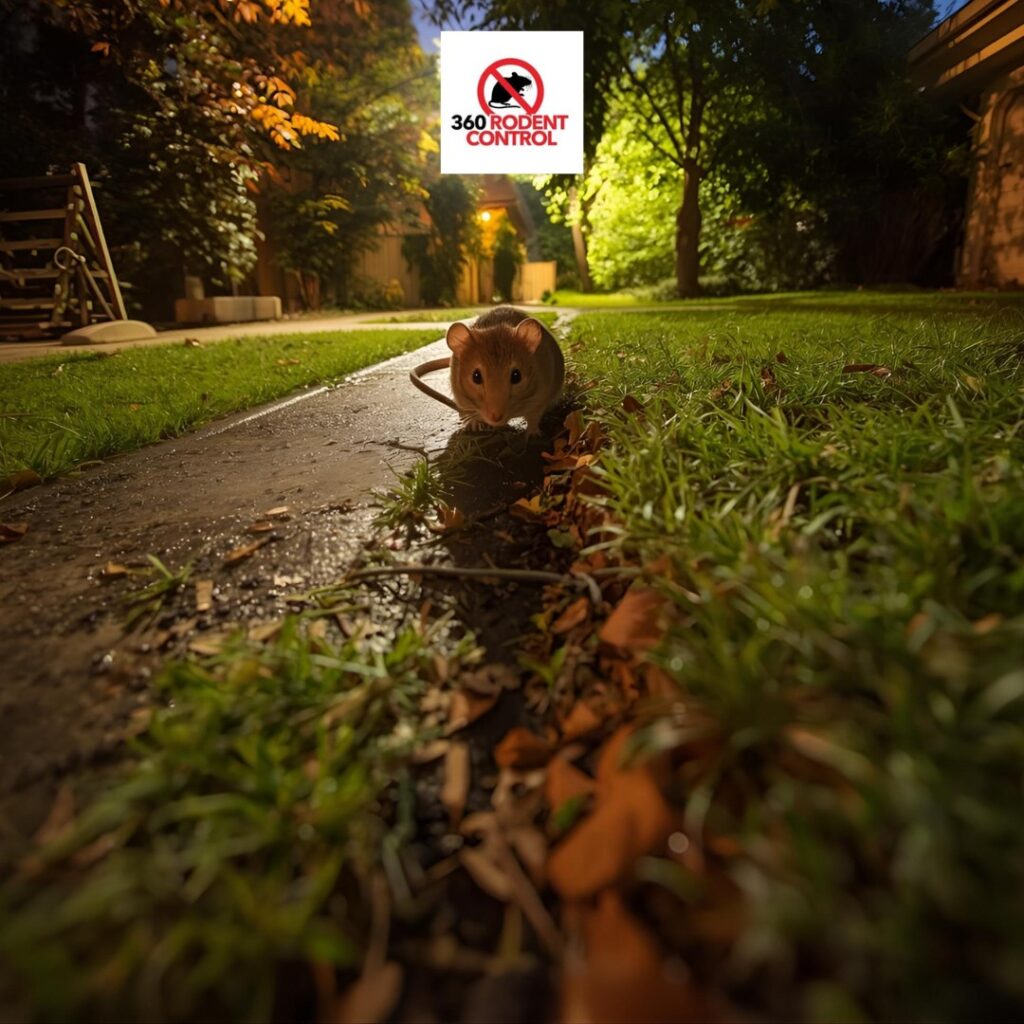
In this guide, we break down why rodents return, how to stop them, when to call a professional, and what truly works long-term, featuring expert insights from 360 Rodent Control, a trusted local rodent control company offering some of the best rodent control services in the U.S.
Why Rodents Keep Coming Back
Understanding the why is the first step toward eliminating a recurring rodent problem.
1. Rodents Remember Where Food Is
Rodents have excellent memory. Once they identify your home as a food source, they often return even months later. Crumbs, unsecured pantry items, pet food, and uncovered trash make your house an easy target.
2. Your Home Has Hidden Entry Points
Rodents can squeeze through spaces as small as a dime. Common entry points include:
- Gaps around doors
- Cracks near foundations
- Open vents
- Utility line openings
- Attic gaps
Even if you block one hole, rodents may find another.
3. Seasonal Weather Drives Rodents Indoors
Rodents look for warmth in winter and shade in summer. The change of season creates new waves of rodent movement, often leading them back to familiar indoor spaces.
Check Out: Winter Rodent Control Tips: How to Protect Your Home During Cold Months
4. Rodent Colonies Multiply Quickly
A pair of mice can produce more than 50 babies in a year. Even if you eliminate some rodents, hidden nests may continue producing more.
5. DIY Methods Provide Only Temporary Relief
Peppermint sprays, cheap ultrasonic devices, or basic traps may help temporarily — but they do not address the root cause, which is entry points and nesting zones.
How to Stop Rodents From Coming Back (The Right Way)
Here’s what actually works to stop rodents for good.
1. Seal Every Entry Point (Not Just the Obvious Ones)
Rodent-proofing is the most important part of long-term prevention. Professionals like 360 Rodent Control perform detailed inspections to find:
- Hairline foundation cracks
- Pipe gaps
- Attic openings
- Chimney gaps
- Wall void access points
- Roofline vulnerabilities
Using steel mesh, galvanized barriers, and professional-grade sealants is crucial. Tape, foam, or DIY fillers are not strong enough.
2. Remove Food Sources Indoors and Outdoors
To keep rodents from returning:
- Store dry food in airtight containers
- Clean kitchen surfaces nightly
- Secure pet food
- Use tight trash lids
- Remove bird seed from yard
- Reduce clutter in garage and attic
Food availability is the #1 reason rodents revisit a home.
3. Eliminate Nesting Areas
Rodents love dark, soft, undisturbed spots. Common nesting areas include:
- Attics
- Basements
- Insulation
- Behind appliances
- Garages
- Unused cabinets
Removing nesting spots makes your home less appealing.
4. Correct Moisture Problems
Rodents are attracted to wet, leaky, or humid places. Fix:
- Pipe leaks
- Roof leaks
- Crawl space moisture
- Standing water near foundation
Moisture + warmth = perfect rodent habitat.
5. Use a Professional Rodent Exclusion Service
The most reliable long-term method is professional exclusion, a service that prevents rodents from ever entering again.

360 Rodent Control specializes in long-term rodent prevention through:
- Deep home inspections
- Sealing and hardening entry points
- Removing nesting zones
- Sanitizing contaminated areas
- Installing protective barriers
- Long-term monitoring
According to 360 Rodent Control, most recurring rodent infestations result from hidden structural openings that homeowners don’t know exist.
6. Use Traps Strategically (Not Randomly)
Placement is key. Rodents use the same paths repeatedly.
Professionals understand:
- Rodent movement patterns
- How to place traps correctly
- What bait works best
- Where rodents nest
Strategic trapping speeds up removal drastically.
When Should You Call a Rodent Control Professional?
You should contact a local rodent control company if:
- Rodents return even after you seal holes
- You hear scratching at night
- You find droppings in the pantry or attic
- There are foul smells or dead rodent odor
- You see gnaw marks or shredded paper
- DIY methods fail repeatedly
If rodents return more than twice, you likely have:
- Structural gaps
- Hidden nests
- Colony growth
- Roofline access
- Attic or wall infestation
This requires professional treatment.
What Happens During a Professional Rodent Service?
A top-rated provider like 360 Rodent Control typically performs:
1. Full Home Inspection
Attic, crawl space, roofline, garage, vents, siding gaps — every inch is checked.
2. Rodent Removal
Traps, bait stations (when needed), and humane removal.
3. Exclusion & Sealing
Permanent steel barriers and exclusion materials — rodents cannot chew through them.
4. Cleanup & Sanitization
Removes urine, feces, pheromone trails, and bacteria that attract new rodents.
5. Follow-Up Monitoring
Ensures rodents do not return.
Why Professional Services Work Better Than DIY
DIY stops today’s rodents. Professionals stop future rodents.
Professionals handle:
- Structural sealing
- Attic cleaning
- Insulation replacement
- Wall void treatments
- Long-term exclusion
- Colony elimination
A company like 360 Rodent Control brings experience, tools, trained technicians, and proven prevention strategies not available in store-bought solutions.
Final Thoughts: Stopping Rodents Permanently. Rodents come back because they:
- Remember food
- Follow scent trails
- Nest inside walls
- Find small openings
- Avoid weak DIY traps
To stop rodents for good, you need:
- Exclusion
- Nest removal
- Structural sealing
- Moisture control
- Professional inspection
That’s why many U.S. homeowners rely on 360 Rodent Control, a trusted name known for offering the best rodent control services and long-term protection.
If rodents keep coming back, it’s not your fault you just need the right strategy.
