

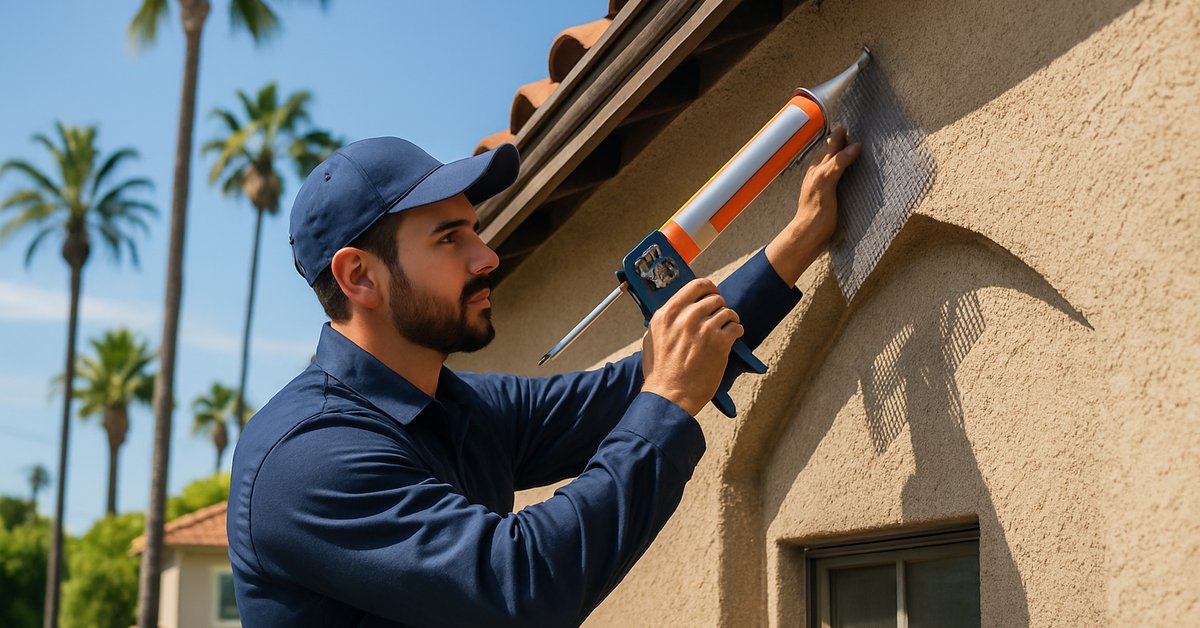
If you’ve been searching for rodent proofing Los Angeles solutions, you’re probably already dealing with an active infestation and wondering whether to call an exterminator, invest in full rodent proofing, or do both. Most homeowners waste hundreds of dollars answering that question the wrong way. Extermination kills what’s inside your home right now — rodent proofing seals the gaps that let new ones in, and in a dense city like this, those two jobs almost always need to happen together. Older housing stock, alley access, and proximity to restaurant corridors make Los Angeles one of the highest re-infestation markets in California. This guide covers costs, timing, what’s actually included in each service, and how to stop the cycle for good.
If you want a licensed contractor to inspect your home now, get a free estimate from a licensed Los Angeles contractor before you spend another dollar on repeat extermination visits.
What’s the Real Difference Between Rodent Proofing and Extermination in Los Angeles?
Extermination kills the rodents currently inside your home. Rodent proofing in Los Angeles — also called exclusion work — seals the entry points so no new rodents can get in. They solve different problems. You need to understand which problem you actually have before you spend money on either one.
Extermination uses bait stations, snap traps, and rodenticide placement to reduce or eliminate an active population. It’s fast and effective at what it does. But in dense urban zones like East LA and Koreatown, where shared walls, alley access, and nearby food sources create constant rodent pressure, a new population can move into an unsealed home within weeks of a treatment. That’s not the exterminator’s fault. It’s what happens when you solve one half of a two-part problem.
Entry-point sealing — using galvanized mesh, caulk, pipe collars, and vent covers — physically blocks the pathways rats and mice use to enter. No poison required. No traps to check. Done right, it lasts years.
| Service Type | Avg Cost in LA | Kills Active Rodents | Prevents Re-entry | Best For | Long-Term Result |
|---|---|---|---|---|---|
| Extermination Only | $150–$400 | Yes | No | Isolated, one-time infestations | Temporary; re-infestation likely in 1–3 months |
| Rodent Proofing Only | $800–$2,500 | No | Yes | Prevention; new homeowners with no active infestation | Long-lasting if no active infestation is trapped inside |
| Both in Sequence | $1,200–$3,800 | Yes | Yes | Active infestation in high-density LA neighborhoods | Permanent solution; most contractors offer 1–3 year guarantees |
How Much Does Rodent Proofing Cost in Los Angeles vs. Extermination?

In Los Angeles, extermination-only service runs $150–$400 for a standard residential visit. Rodent proofing alone costs $800–$2,500 depending on home size and the number of entry points found. Combined services — extermination followed by full exclusion work — typically land between $1,200 and $3,800 for a single-family home.
Those are wide ranges, so here’s what actually moves the number. Home size matters, but so does construction type. Older bungalows in Silver Lake and craftsman homes in Highland Park face higher proofing costs because of foundation gaps, aging rooflines, and wood-framed soffits that rats chew through easily. Contractors spend more time on those homes — and the material costs go up too.
| Service Type | Typical LA Price Range | What’s Included | Duration of Protection |
|---|---|---|---|
| Extermination Only | $150–$400 | Bait stations, snap traps, rodenticide, one follow-up visit | Weeks to months; no structural protection |
| Rodent Proofing Only | $800–$2,500 | Full inspection, gap sealing, vent screening, pipe collars, door sweeps | 1–5 years with warranty |
| Combined Service | $1,200–$3,800 | Everything above, in sequence | 1–3 year re-entry guarantee standard |
| Attic Cleaning (add-on) | $600–$1,500 | Contaminated insulation removal, sanitization, re-insulation | One-time; improves air quality and energy efficiency |
Attic cleaning is worth budgeting for separately. After a significant infestation, rat droppings and urine saturate blown-in insulation. That insulation has to come out before new material goes in, and most contractors price it as a separate line item. If you want a realistic number for your specific home, check out this breakdown of rodent exterminator costs for Los Angeles homeowners before you get quotes.
Why Do Los Angeles Homeowners Keep Getting Re-Infested After Extermination?
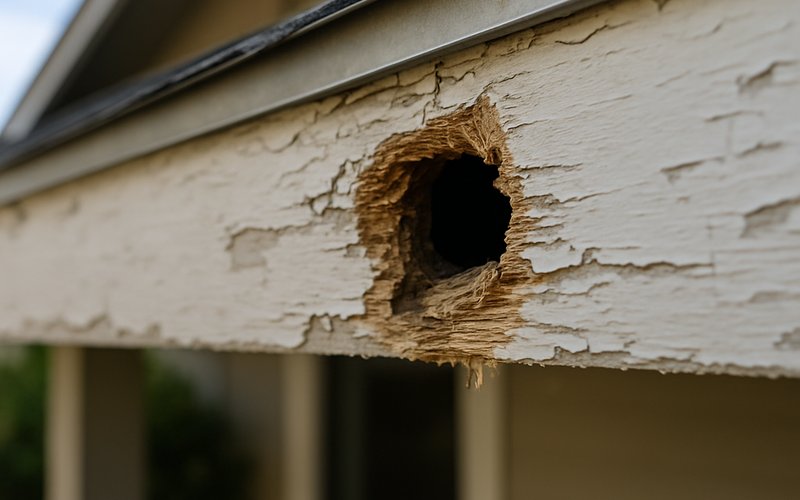
Here’s the honest answer: killing rodents without sealing entry points is a temporary fix in a dense urban environment. Full stop. In Los Angeles, you’re not dealing with an isolated field mouse problem. You’re dealing with sustained rodent pressure from surrounding properties, alleys, drainage corridors, and commercial food sources.
Roof rats — the species responsible for most attic infestations in LA — are excellent climbers. They move along utility lines, tree branches, and roof edges to access homes through gaps as small as a half-inch. Norway rats work differently: they burrow under foundations, follow sewer lines, and enter through low gaps near pipes and weep holes. Both species reproduce fast. A pair of roof rats can produce up to 40 offspring per year.
In East LA and Koreatown specifically, re-infestation happens faster than almost anywhere else in the city. Shared walls between multi-family buildings, alley access, and the density of nearby restaurant corridors create constant pressure on residential properties. Bait stations and snap traps reduce the population inside your unit. They do nothing about the population outside it.
A homeowner in Boyle Heights had exterminators in twice within four months before they finally added exclusion work. By that point, the total spend had hit $1,100 — more than they would have paid for a combined service upfront. The exclusion job identified seven separate entry points along the roofline and one open pipe chase in the kitchen wall. Once those were sealed, the re-infestation cycle stopped.
Honestly, bait-only programs aren’t always wrong. For properties on the rural edge of the city with low surrounding density and no adjacent structures, ongoing bait station maintenance can manage a rodent population effectively. But in dense neighborhoods with attached or semi-attached housing, skipping exclusion work means you’re just managing the symptom. The problem doesn’t go away.
When Should You Choose Extermination First — and When Does Proofing Come First?
So which comes first? The answer depends on what’s happening inside your home right now.
If you have an active infestation — you’re hearing noise in the walls or attic, finding droppings, or seeing damage to food packaging — extermination comes first. You need to eliminate the current population before sealing entry points. If you seal while rodents are still active inside, you trap them in, which leads to die-offs in the walls and a different set of problems. After extermination, schedule rodent proofing within 2–4 weeks. That window matters. Don’t let it stretch to months.
New homeowners with no signs of active infestation are in a different position. Proofing-first makes complete sense. Get the home inspected and sealed before a problem starts. It’s significantly cheaper than dealing with an active infestation plus cleanup.
Seasonal Timing in Los Angeles
Los Angeles has a mild climate, but rodent pressure increases in fall and early winter as temperatures drop at night and rats move toward warmth. That’s your window to get proofing done preemptively — before they’re already inside.
Crawl space access is a separate consideration. If rodents have been nesting under your flooring, the crawl space needs to be inspected and cleaned before it gets sealed. Sealing over active nesting material or decomposing rodents creates odor and health issues. The LA County Department of Public Health’s integrated pest management guidance specifically notes the importance of sanitation before structural exclusion — a licensed contractor will account for this in their scope of work.
What Does Professional Rodent Proofing in Los Angeles Actually Include?

A legitimate rodent proofing job in Los Angeles isn’t just spraying caulk around a few gaps. Here’s what a thorough exclusion service actually covers:
- Full inspection — identifying every active and potential entry point, including roofline, foundation, utility penetrations, and vents
- Gap sealing — closing openings with galvanized exclusion mesh and exterior-grade caulk rated for outdoor conditions
- Roof vent screening — installing rodent-resistant screens over soffit vents and gable vents that roof rats commonly exploit
- Pipe collar installation — sealing the gaps around water supply and drain lines where they penetrate walls or foundations
- Door sweep replacement — closing the gap under garage and exterior doors, a common low-access entry point
- Weep hole covers — installing mesh inserts over the small openings in brick or stucco exteriors designed for moisture drainage
Budget packages often skip the inspection or limit sealing to only the most obvious points. Ask specifically what’s included and get a written list of entry points before work starts.
Homes in Montecito Heights and El Sereno, where hillside foundations create uneven crawl spaces and significant grade changes, often need crawl space sealing priced as a separate line item. Don’t assume it’s included in a standard quote. And attic insulation replacement — required when contamination is significant — is almost always a separate service. You can learn more about why that matters in this guide to how proper insulation prevents future rodent problems.
What’s NOT included in most standard proofing packages: attic cleanup, crawl space decontamination, structural repairs to damaged wood framing, and stucco patching. These are real costs to budget for separately.
Do You Need a Permit for Rodent Proofing or Extermination in Los Angeles?
For most standard rodent proofing and extermination work, no building permit is required in Los Angeles. Sealing gaps, installing mesh, adding vent screens, and replacing door sweeps are all considered minor repairs that fall below the permit threshold.
The situation changes when work touches the structure itself. If attic insulation is removed and replaced, or if the job involves reframing a damaged soffit, patching stucco, or any structural repair work, the Los Angeles Department of Building and Safety (LADBS) may require a permit. That’s true even if a pest control company initiates the project. Your contractor should know this and pull permits where required — ask them directly.
Pesticide application is regulated separately. Any contractor applying rodenticide or other pesticides must hold a Branch 2 (Structural Pest Control) license issued by the California Department of Pesticide Regulation (CDPR). Branch 3 licenses cover fumigation. Before you hire anyone, verify their license number on the California Structural Pest Control Board’s online lookup tool. An unlicensed applicator isn’t just a legal risk — it’s a sign they may not know what they’re doing.
A reputable licensed contractor handles all of this for you. You shouldn’t have to track down permits yourself. But knowing what’s required protects you if something goes wrong.
How to Find a Qualified Rodent Control Contractor in Los Angeles — and What to Ask Before You Hire

Not every pest control company that advertises rodent proofing in Los Angeles actually does thorough exclusion work. Many offer basic extermination and call it “proofing.” Here’s how to tell the difference before you pay.
Start by verifying their California Structural Pest Control Board license — Branch 2 covers general structural pest control including exclusion work, and Branch 3 covers fumigation. Both are searchable on the CSCPB website by company name or license number. This takes two minutes and filters out unlicensed operators immediately.
Ask for a written scope of exclusion work before any money changes hands. A contractor who can’t give you a specific list of entry points they plan to seal hasn’t done a real inspection. Also ask about warranty length. Reputable rodent proofing contractors in Los Angeles offer 1–3 year re-entry guarantees — that means if rodents get back in through a sealed point during the warranty period, they come back and fix it at no charge.
Find out whether an attic inspection is included in the initial quote. Many companies do a quick exterior walkthrough and miss the most critical access points inside the roofline. If they’re not going up into the attic, they’re not doing a complete inspection. For a solid starting point on vetted local options, 360 Rodent Control serves Los Angeles homeowners with licensed rodent proofing, extermination, and attic cleanup. Also worth reading: this overview of rodent infestation signs specific to Los Angeles homes so you know exactly what you’re dealing with before the contractor arrives.
Before you hire anyone, ask for a written list of every entry point they plan to seal. If they can’t give you that, keep looking.
